The Department of State Treasurer Continues to Work FOR YOU

September/October 2023 LivingPower Newsletter

By Treasurer Dale R. Folwell, CPA

As keeper of the public purse, I have a duty and loyalty of care to preserve and protect benefits for retirees like you, as well as those who currently teach, protect, and otherwise serve. You have dedicated your working time to the citizens of North Carolina, and it is important to remember the Department of State Treasurer (DST) continues to work FOR YOU even after you retire. This includes delivering on-time monthly benefit payments to over 350,000 retirees and providing the best customer service, resources, and access to high-quality, low-cost benefit options.

I am pleased to announce that State Health Plan premiums are frozen for the sixth year in a row. Open Enrollment for the 2024 benefit year will be held Oct. 9-27, 2023. Non-Medicare retirees will continue to have the same health plan options as they do today. The Base PPO Plan (70/30) remains premium-free for eligible retirees. Members will need to take action during Open Enrollment if they would like to make any changes regarding their dependents or to enroll in the Enhanced PPO Plan (80/20). If no action is taken, the member will be moved to the 70/30 Plan.

Retirees who are Medicare-eligible and on the Humana Medicare Advantage Base Plan will continue to enjoy premium-free benefits, pay only $4 per month for a spouse or per dependent, all with ZERO cost to taxpayers.

Those who are satisfied with the plan in which they are currently enrolled will REMAIN on that plan for 2024 and do not need to take action during Open Enrollment. This includes the Humana Medicare Advantage Base or Enhanced Plan (90/10) or the Base PPO Plan (70/30). The good news continues as 87% of retirees over the age of 65 are taking advantage of these plans, saving $47 million for taxpayers.

If you would like to change plans or make changes to your dependents, you will need to take action during Open Enrollment! I encourage you to participate in State Health Plan outreach events prior to and during Open Enrollment. These include in-person events, webinars, and a telephone town hall. For more information and to register, visit www.shpnc.org.

Fall is a busy time of year, and you may be inundated with messages from insurance carriers and organizations by mail or phone and on television. I want to share some helpful tips to make sure you don’t do anything to NEGATIVELY IMPACT your State Health Plan coverage.

  • Insurance agents or brokers may call you and encourage you to enroll in a Medicare Advantage Plan or a Medicare Supplement. They ARE NOT calling from your State Health Plan, and the plans they’re selling are DIFFERENT from what the State Health Plan offers.
  • Please know that you cannot be enrolled in two different Medicare Advantage or Medicare Prescription Drug Plans at the same time.
  • Therefore, if you enroll in something other than the State Health Plan’s Humana Group Medicare Advantage Plans (90/10), you will most likely be bumped out of your current Humana Group Medicare Advantage Plan (90/10) and enrolled into the 70/30 PPO Plan, which may cost more.
  • Be wary of commercials featuring famous actors or athletes. Plans featured on television ARE NOT the same as your State Health Plan coverage. Calling to enroll in a plan that you saw on television may NEGATIVELY impact your State Health Plan coverage.

During Open Enrollment, the State Health Plan’s Eligibility and Enrollment Support Center (855-859-9066) offers extended hours Monday-Friday, 8 a.m. to 10 p.m., and Saturdays, 8 a.m. to 5 p.m. Be on the lookout for your Open Enrollment Decision Guide arriving by mail prior to Open Enrollment!

Supplemental Insurance (Dental, Vision, and Identity Theft Protection)
DST consistently works towards cost-effective options for our retirees. Negotiations over the past four years have resulted in substantial premium savings and better coverage for supplemental insurance offered through Pierce Insurance. If you choose to participate, payments for coverage can be deducted directly from your monthly retirement benefit, direct billed, or by bank draft.

Open Enrollment for dental, vision, and identity theft protection takes place Sept. 15-Oct. 31.
If you are currently enrolled, no action is needed. For more information and to enroll in benefits that will be effective Jan. 1, 2024, visit www.ncretiree.com or call 855-627-3847.

Thank you for your service to the citizens of North Carolina and for being a valuable member of the North Carolina Retirement Systems.


True Life Lassie Rescues Owner in Lake Tahoe

Saul isn’t only a good boy– he’s also an excellent rescuer. Saul is a border collie who led a search-and-rescue team directly to his injured owner.

The 53-year-old Nevadan had plunged 70 feet down a steep slope in the Tahoe Forest. The fall broke the man’s hip and some ribs. The next day, he managed to crawl his way to a patch of cell service and call for help.

Search and Rescue pinged the location of his last call, while a friend of the victim advised them, “Look for Saul.”

As it turns out, Saul would’ve been hard for the rescuers to miss. While searching the remote country, the black and white border collie ran up to them and began jumping up and down and spinning around in circles.

Saul had run about 200 yards away through the woods to find the Search and Rescue team. And, just like Lassie, led them to his owner. Saul’s rescue of his owner was so quick that the man was airlifted to a hospital within eight hours of when he first called 911.

According to Sgt. Dennis Haack of the Nevada Country Sheriff’s Office Search and Rescue, “At first, we didn’t believe it because it sounded like a movie. When they came back and described it to us, the reality was that they had followed the dog directly to the victim.” With a smile, Haack adds, “Great work and skill by all involved.”

The team got a helicopter to the scene and transported the man to a hospital for his traumatic injuries. While his owner received treatment, Saul was taken to the nearby town of Grass Valley where he “was given lots of treats and a well-deserved dinner,” Haack said.

Saul was reunited with his very grateful owner the following day.

While Saul’s efforts to aid rescuers to save his owner are invaluable, the expense of emergency medical transportation can still cost thousands of dollars. A Medical Air Services Association (MASA) plan can protect you from catastrophic financial loss when emergencies arise at home or while traveling by covering your ambulance or airlift, regardless of your age or medical condition. Services are paid in full, with no deductibles, co-pays, or dollar limits. MASA provides coverage in all 50 states and Canada. NCRGEA and AMBA make getting a MASA plan easy. You can even sign up online. Learn more at www.ambamedtransport.com/ncrgea or call 800-956-1228.

Source: https://www.latimes.com/california/story/2022-07-18/dog-leads-rescue-team-to-injured-owner-in-tahoe forest#:~:text=Saul%20eventually%20led%20them%20to,in%20the%20Tahoe%20National%20Forest.

Is Root Beer A Better Option for Dental Health?

Two words that are rarely found side by side are “healthy” and “soda”. You were probably told time and time again as a child (and have gone on to tell your children and maybe grandchildren) that sodas aren’t the best things to consume for your dental health. These beverages, and other high sugar drinks, are certainly tasty and refreshing, but can have a harmful effect for waistlines or teeth, especially if enjoyed daily.

But there’s good news! According to recent studies, root beer is the least harmful soda when it comes to your teeth. One of the most prevalent myths surrounding tooth decay is that sugar causes it. While sugar does play a role in the formation of cavities, it’s not the sugar itself that leads to decay.

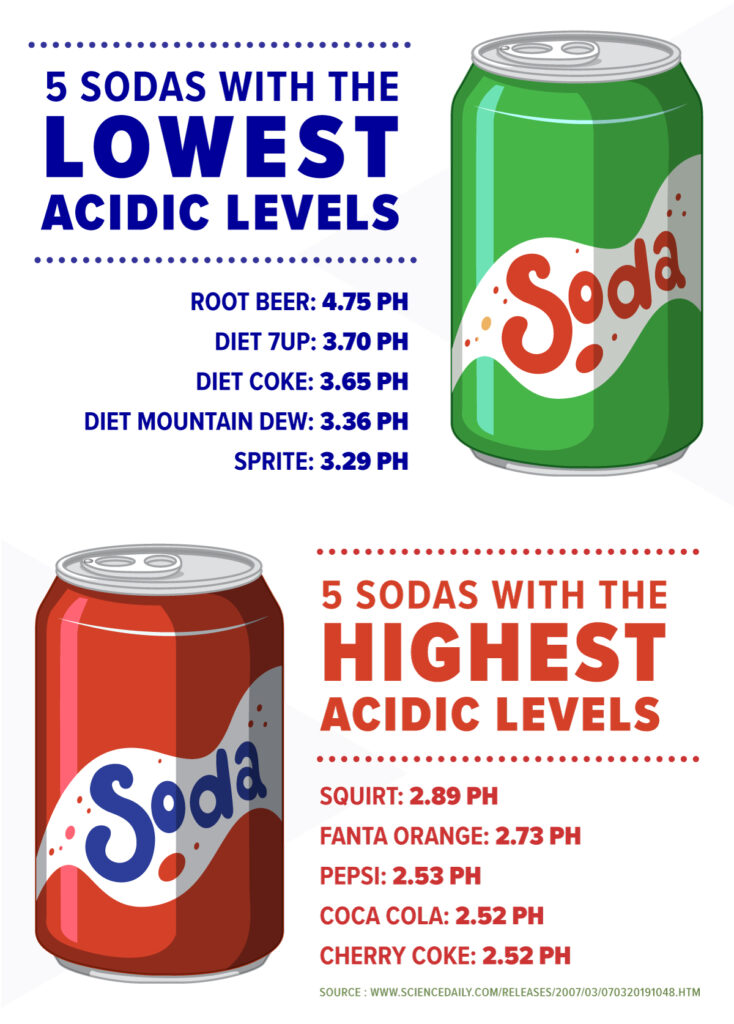
Yes, regularly consuming soda can cause dental erosion, as well as enamel loss. However, the real reason is that most sodas contain acids, most notably citric and phosphoric acid. In fact, some of the most popular sodas have an acidity ranking higher than battery acid! Battery acid has a pH level of 1.0, while some soft drinks ranked as high as 2.52.

Not only should you feel concerned with drinking sodas, but carbonated drinks in general. Sparkling water is a huge hit in the market right now. Would you be surprised to learn that may of the most popular brands of sparkling water have a pH between 3 and 4?

Is Root Beer Healthy for Teeth?

Although root beer is widely grouped in with other sodas, it has a significant difference: it rarely has any traces of citric or phosphoric acid. This makes root beer healthier for teeth when compared to typical colas. Root beer acidity is also much lower than other sodas on the market. It generally has a pH between 4.03 to 4.75 which is far less acidic than other types of sodas. With a lower acidic content, less harm occurs to the enamel. However, just like dark colas, root beer can still cause tooth staining.

Sipping sodas throughout the day is one of the worst things you can do to your teeth. If you can’t give up sodas or other sugary drinks entirely, try to limit them to mealtimes and finish them in one sitting. Following up with a glass of water will help neutralize some of the acids.

Some believe switching to diet or sugar-free sodas is the solution to saving their teeth. However, these alternatives come with their own dangers. They contain acids that erode teeth at the same rate as regular sodas. Sports drinks and juices contain sugar and acids that make them problematic as well. However, soft drinks are ten times more erosive than fruit juices.

Of course, the food and beverages you eat are only part of maintaining a healthy mouth and smile. As the saying goes, “everything in moderation”. Your oral health will probably be fine if you enjoy a soda every once in a while but routine/daily consumption can cause problems.

Along with a twice-daily brushing and routine flossing, to keep your teeth healthy, you need routine professional care. NCRGEA and AMBA offer an excellent Dental Plan with access to any dentist you want with bigger savings by staying in-network. You also get comprehensive coverage with low deductibles, high maximums, and NO WAITING PERIOD for covered services. Sign up now at www.ambadentalvision.com/ncrgea or call 800-956-1228.

Source: https://www.sciencedaily.com/releases/2007/03/070320191048.htm

NCRGEA Lunch and Learn Webinar: October

October 4, 2023 @ 8:30 am 9:30 am

Free virtual webinar Lunch & Learn Series: “All About Long Term Care and Elder Care.” 

Our speaker will be Jon Green from our benefits partner, AMBA. This webinar will discuss:

  • Identify the Myths and Facts Surrounding Care and Who Pays for What
  • Discuss the need for Long Term Care Protection
  • Discuss the Traditional Components of Long-Term Care
  • Learn the Costs of Care in North Carolina
  • Discover the Potential Solutions and make the Most of your Endorsed Options

Registration by Sunday | October 1 is required for this FREE event. Click the Register Now button at the top. Space is limited so please register soon. INVITE A FRIEND! You will receive the Zoom link by email on Monday, October 2 and you don’t need a computer to participate! Join the session using either the Zoom link, or the Zoom long distance phone number provided. If you have any questions, please email info@NCRGEA.com or phone 919.834.4652 or 1 800 356 1190.

Previous NCRGEA 2023 Lunch and Learn Series recordings can be found on the NCRGEA YouTube channel.

(919) 834-4652

View Organizer Website

FREE

Lake Case Update: Overview 2023

June 15, 2023

NCRGEA continues its work to advance, promote, and protect the benefits, interests, and well-being of North Carolina’s retired state and local public servants in the Lake Case. Click the video at left to hear a report from ABC11 News in Raleigh.

As Executive Director Tim O’Connell explains in this video: “To take care of them in the retirement years, based upon a contractual promise, is being a good steward for North Carolina.”

Getting Older? So Are Your Eyes. Look Out for These Common Vision Problems.

As we get older, it’s normal to notice some vision problems. Issues like difficulty telling colors apart and taking more time to adapt to changes in the amount of light are all too common. Daily activities like looking at a computer screen or exchanging text messages on your phone or spending time outside without protective sunglasses can increase risks for eyestrain and vision problems.

Aging Vision Means Common Vision Problems

As the years tick by, it’s common to have more problems regarding your vision. Many older people find themselves having increased difficulty seeing things up close, distinguishing between colors and noticing more sensitivity to glare and needing more light for specific tasks.

A lot of the problems you might encounter with aging eyes stem from specific conditions. Here are some to keep on your radar.

Presbyopia 

Have you noticed you’re squinting at menus or turning up the brightness to try and read texts on your phone? You might have presbyopia, or age-related farsightedness.

After age 40, most people will deal with some level of gradual loss of their eyes’ ability to focus on nearby objects. Fortunately, there are plenty of options for correcting this issue, from eyeglasses and contacts to surgical solutions.

Age-related macular degeneration is a leading cause of vision problems, including vision loss, in people over 50. This condition affects your central vision but leaves your peripheral vision unchanged. You get AMD when your macula, a key part of your retina, changes. Most people get dry AMD, which causes you to lose your central vision slowly over time.

Dry eyes 

Dry eyes don’t just cause redness, a stinging sensation, and discomfort. The condition can also blur your vision. People of all ages deal with dry eyes, but the issue is most frequent for older people. This is because our bodies make fewer tears as we get older. After age 65, it’s highly likely for people to have some dry eye symptoms.

Fortunately, over-the-counter artificial tears are an easy solution for many people.

Glaucoma 

Glaucoma is a blanket term for a variety of conditions related to damage to the optic nerve that can cause serious vision problems. Open-angle glaucoma, the most common type, usually doesn’t cause symptoms at first, but slowly deteriorates the peripheral vision. Without treatment to relieve the pressure on the optic nerve and prevent further vision loss, the condition can eventually lead to total blindness. 

Cataracts 

More than 50% of Americans over the age of 80 either have cataracts or have had them removed. 

Cataracts are caused by the proteins in the eye start to break down and clump together. Over time, this causes visible cloudiness in the eye and makes vision fuzzy, causes colors to look faded and diminishes night vision.

While different eyeglasses or contact lens prescriptions can help, many eye doctors eventually recommend surgery to remove the cataract. 

Common Vision Problems and Solutions

Aging eyes can mean problems down the road, but with regular eye checkups, your chances of catching problems early on are far greater. A good eye doctor can evaluate your eyes and catch issues early when they’re easiest to treat.  That’s why the Vision Plan from NCRGEA and AMBA is so important. The plan covers annual WellVision exams, 100% coverage for most lenses, even progressives, and thousands of nationwide in-network providers. Sign up today – acceptance is GUARANTEED! – at www.ambadentalvision.com/ncrgea#vision or call 800-956-1228.

Source: https://www.mayoclinic.org/diseases-conditions/presbyopia/symptoms-causes/syc-20363328

https://www.nei.nih.gov/learn-about-eye-health/eye-conditions-and-diseases/glaucoma

How to Help Loved Ones Lower Their Risk of Breast Cancer

October is Breast Cancer Awareness Month, an annual campaign to raise awareness about the impact of breast cancer. Breast cancer is the most common cancer in American women, except for skin cancers. In 2022, approximately 30% of all new women cancer diagnoses will be breast cancer. In 2022, approximately 287,500 new cases of invasive breast cancer were diagnosed in women in the U.S. as well as 51,400 new cases of non-invasive (in situ) breast cancer.

Although there is no sure way to prevent breast cancer, living a healthy lifestyle may lower the risk.

  1. There is a clear link between alcohol consumption and an increased risk of breast cancer. Having even one alcoholic drink a day may increase risk by 7% to 10%. Two to three drinks have about a 20% higher risk. Though it is best not to drink alcohol, women who do drink should limit and moderate their consumption.
  2. Being overweight or obese after menopause increases breast cancer risk. Maintaining a healthy weight throughout your life and avoiding excess weight gain is another important step that can help reduced the risk of developing breast cancer. Limit foods and drinks that are high in calories, fat, and/or added sugars, and that provide few nutrients.
  3. Evidence is growing that inactivity increases breast cancer risk, especially in women past menopause. It is recommended that adults get 150 to 300 minutes of moderate intensity or 75 to 150 minutes of vigorous intensity activity each week (or a combination of these). Getting to or going over the upper limit of 300 minutes is ideal. Limit the time you spend sitting, lying down, watching TV, and looking at your phone or computer. Doing some physical activity on top of your usual activities, no matter what your level of activity, can have many health benefits.

Other factors

Other areas that may potentially increase the risk of breast cancer include the following: not having children, not breastfeeding, birth control methods that utilize hormones, menopausal hormone therapy with estrogen (often combined with progesterone), and breast implants. 

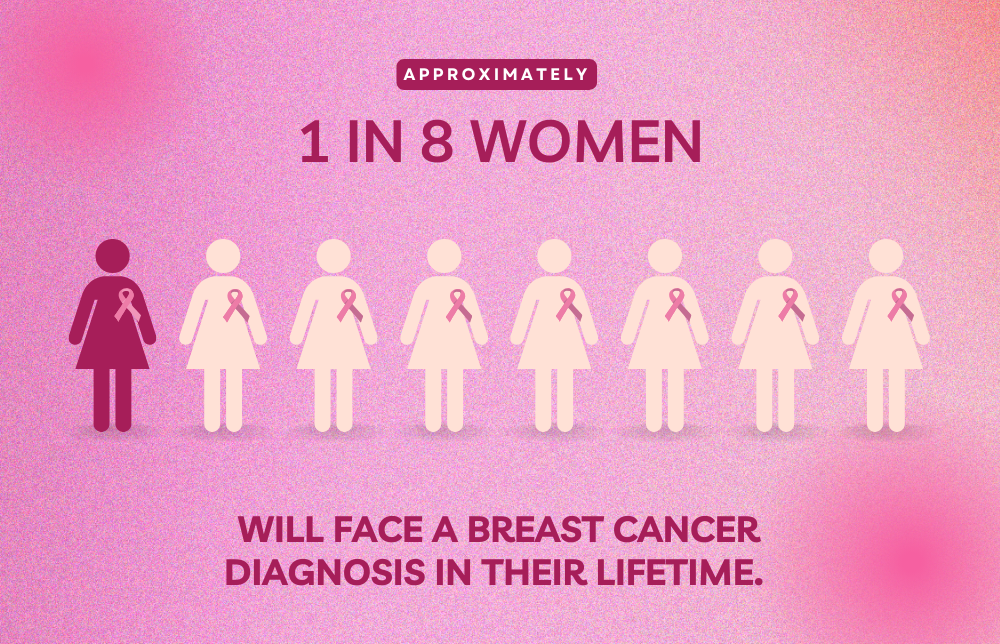
Approximately 1 in 8 women will face a breast cancer diagnosis in their lifetime. It’s just one more good reason to be ready with a Cancer plan from NCRGEA and AMBA. It can help cover the cost of treatments and related expenses like travel and other out-of-pocket costs. To learn more about Cancer Insurance, contact AMBA at 800-956-1228 or request more information at www.amba-review.com/NCRGEA

Source: https://www.cancer.org/cancer/risk-prevention/diet-physical-activity/body-weight-and-cancer-risk/acs-recommendations.html#:~:text=To%20help%20lower%20your%20risk%20of%20cancer,-As%20part%20of&text=The%20best%20way%20to%20stay,more%20calories%20through%20physical%20activity

Local Outreach | District 8 @ Raleigh NC

October 11, 2023 @ 9:30 am 11:00 am

NCRGEA is back on the road with seven in-person meetings and we are fortunate to have our good friends from the NC Department of Insurance’s Senior Health Information Insurance Program (SHIIP) to advise on your open enrollment processes and our representatives from AMBA to offer information on supplemental dental and vision programs. These meetings will be a great opportunity to get your questions answered by subject matter experts.

Location:

Five Points Center For Active Adults | 2000 Noble Rd. | Raleigh NC 27608

Interested in attending? Click the Register Now button or call 919-834-4652 or 1-800-356-1190. For further information, please email info@rgea.info.

FREE

(919) 834-4652

View Organizer Website

Local Outreach | District 8 @ Raleigh NC

October 10, 2023 @ 9:30 am 11:00 am

NCRGEA is back on the road with seven in-person meetings and we are fortunate to have our good friends at the Humana Neighborhood Center advise on your open enrollment processes and our representatives from AMBA to offer information on supplemental dental and vision programs. These meetings will be a great opportunity to get your questions answered by subject matter experts.

Location:

Humana Neighborhood Center | 4430 Fayetteville Rd. | Raleigh NC 27603

Interested in attending? Click the Register Now button or call 919-834-4652 or 1-800-356-1190. For further information, please email info@rgea.info.

FREE

(919) 834-4652

View Organizer Website

Local Outreach | District 8 @ Raleigh NC

October 10, 2023 @ 6:00 am 7:30 am

NCRGEA is back on the road with seven in-person meetings and we are fortunate to have our good friends at the Humana Neighborhood Center advise on your open enrollment processes and our representatives from AMBA to offer information on supplemental dental and vision programs. These meetings will be a great opportunity to get your questions answered by subject matter experts.

Location:

Humana Neighborhood Center | 4430 Fayetteville Rd. | Raleigh NC 27603

Interested in attending? Click the Register Now button or call 919-834-4652 or 1-800-356-1190. For further information, please email info@rgea.info.

FREE

(919) 834-4652

View Organizer Website