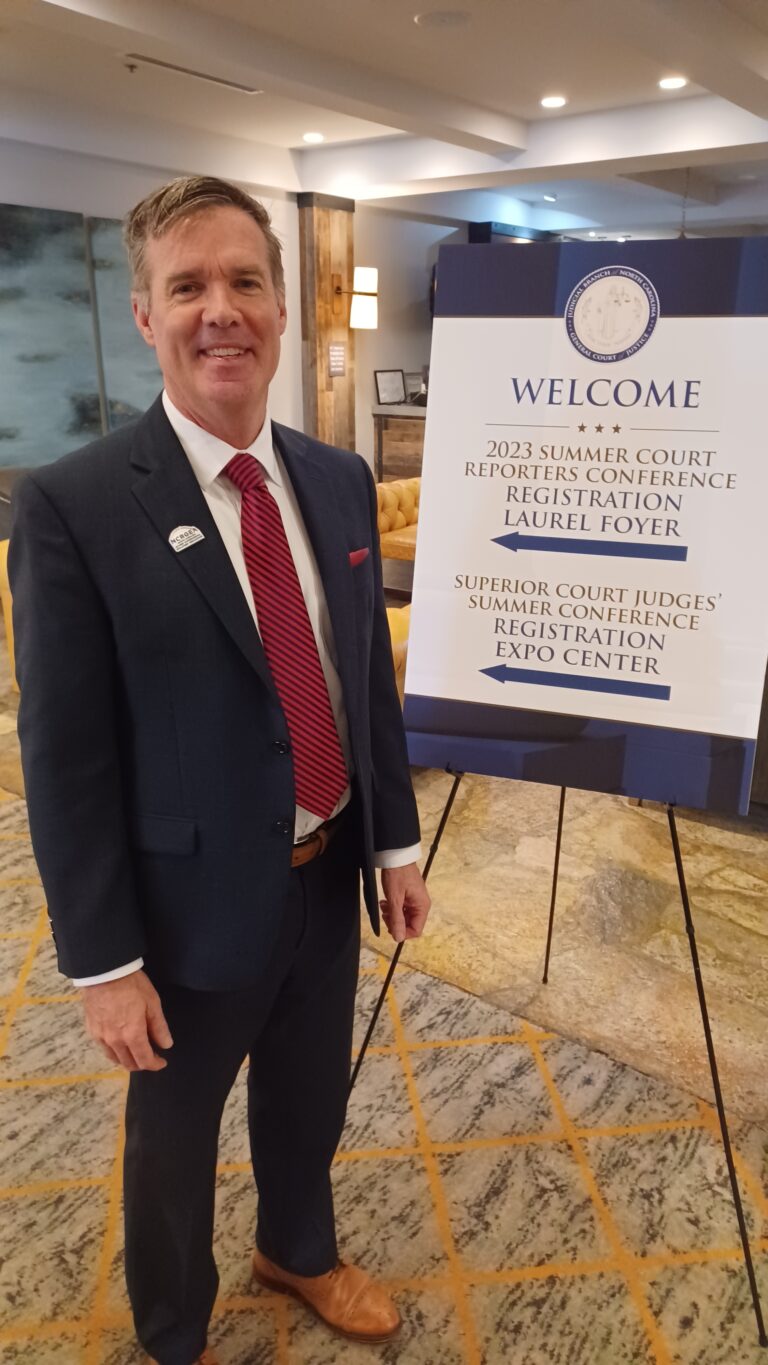
NCRGEA invited to NC Superior Court Judges Conference in Asheville





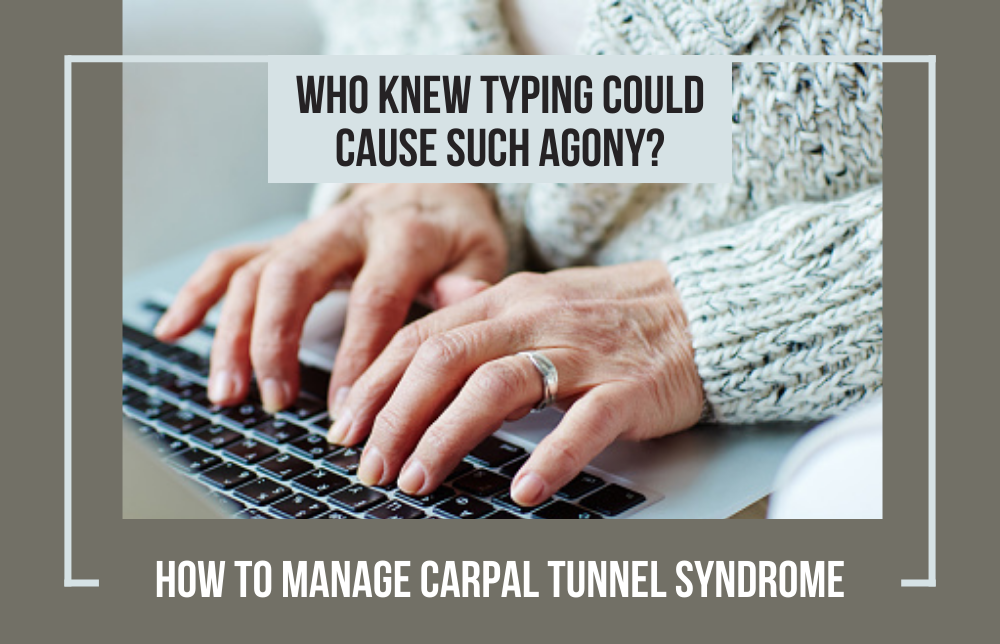
Ever feel a strange numbness, tingling, burning, or pain in your hand? Or experience occasional shock-like sensations that radiate to your thumb and index, middle, and ring fingers? These are potential symptoms of carpal tunnel syndrome. The pain can be extreme and persistent. The condition occurs when the ligament that runs across the top of your wrist swells and presses on the nerves. The symptoms can be mild at first but can progress to become increasingly more severe and painful.
The most common cause of carpal tunnel syndrome is repetitive movements for extended periods of time, such as typing or writing or navigating your tablet or smartphone. Other activities involving repeated wrist motion that can cause the condition include using a hand tool consistently and/or for long periods of time, playing an instrument, and even cooking and using kitchen utensils often and without proper rest breaks. Other risk factors include any sort of trauma to the hands or wrists like a fracture or break. Health conditions like obesity, arthritis, diabetes, and thyroid issues are also linked to the condition.
Carpal tunnel syndrome can become increasingly painful and debilitating. The tingling sensation often felt in the fingers can range from mild to severe. The nerve damage can cause weak grip strength due to muscle wasting. Additionally, the condition can lead to difficulty performing fine motor skills such as writing or typing due to loss of coordination and dexterity in your hands and wrists.
The first step in treating the condition is simple rest. Reducing or, if possible, ceasing the repetitive movement that caused the condition could decrease the inflammation and damage. If you do need to continue performing your tasks, be sure to take regular breaks and gives your hands and wrists throughout the day.
Anti-inflammatory medications are often prescribed to reduce pain and swelling associated with carpal tunnel syndrome. These medications include ibuprofen and naproxen. Your doctor may also prescribe more potent anti-inflammatory drugs like corticosteroids which have stronger effects but should only be used short term due to their side effects. Always consult with your physician before taking any medication.
If the pain and swelling persist, a wrist splint can help keep your wrist in a neutral position. Splints come either ready-made from medical supply stores or they can be custom fitted by an orthotics specialist.
Preventing carpal tunnel syndrome starts with avoiding or limiting activities that involve high-impact movements. If you must perform these activities, be sure to take frequent breaks to give your hands and wrists a rest. Stretching your arms and fingers can also help to reduce tension in the wrists and hands, allowing them to stay flexible and limber.
If typing on a keyboard is the cause of your pain, ergonomically designed keyboards and desks can reduce strain on your muscles and joints. Likewise, using wrist supports while doing activities such as playing an instrument that involves long-term wrist movement can also help prevent pain by reducing the pressure placed upon the median nerve within our wrists.
Diabetes has been linked to a higher rate of carpal tunnel syndrome. This could be due to blood supply issues which may cause damage along its length leading towards the hands and fingers. Thyroid issues have also been found to be one of many potential contributing factors. Obesity is another common risk factor for this disorder. Excess weight can lead to inflammation and extra pressure on certain nerves including those inside the wrists.
If diabetes, thyroid issues, or obesity is one of the causes of your carpal tunnel syndrome, it’s just one more good reason to explore ways to improve your health. These conditions affect your health in many adverse ways, and not just physically. Many people have been turned down for Life Insurance because of their health or lifestyle issues. Obesity, diabetes, and thyroid issues don’t just affect your health. The conditions can also affect people’s ability to qualify for Life Insurance. The Whole Life policy from NCRGEA and AMBA is different. No health exam, no questions, no problem. You can get a Whole Life policy right now by signing up online. It even includes a no-obligation 60-day return policy. Learn more about a Whole Life Policy through NCRGEA and AMBA at www.AMBAlifeinsurance.com/NCRGEA or call 877-290-3173.
Sources: https://www.aafp.org/pubs/afp/issues/2003/0715/p265.html
https://orthoinfo.aaos.org/en/diseases–conditions/carpal-tunnel-syndrome/

One of his biggest hits is “Tougher Than the Rest”, and Bruce Springsteen proved his resilience on stage on May 25, 2023.
During a concert with The E Street Band at the Johan Cruijff Arena in Amsterdam, the 73-old rocker took a tumble while climbing a flight of stairs as the band launched into the hit song “Ghosts.” Bruce Springsteen falls to the stage. The singer and his guitar crashed to the ground, and he lay prone on the stage for several seconds as band members and the audience gasped in shock.
Fortunately, crew members helped the singer back to his feet. He smiled to the audience with a mix of relief and embarrassment, shouted, “Good night, everybody!” and the concert joyously resumed.
The accident turned out to be no big deal, but it’s one more example of how a fall can happen to anyone at any time. Falling is a common cause of injury among older Americans, resulting in over 8 million trips to the emergency room for nonfatal injuries.
Of course, a fall can take place at home, while away, or – in Springsteen’s case – while entertaining a stadium full of adoring fans. There are many ways to make your home safer or to take steps to be ready in case of an emergency while on vacation.
In the event of a fall or an injury, an emergency room visit might be necessary. Even if there’s no external injury, you want to be sure there’s no internal bleeding or trauma, especially if you’ve hit your head.
But you weren’t – pardon the pun – born to run up an expensive bill for emergency medical transportation. Getting a Medical Air Services Association (MASA) plan can prove to be one of the smartest things you ever do. If you require emergency medical transportation, an ambulance ride or air emergency transportation can cost thousands. With a MASA plan, you can focus on healing from your injury and not worry about the unexpected expense of your ride. MASA is available through NCRGEA and AMBA. Learn more by visiting www.AMBAmedtransport.com/NCRGEA or call 877-290-3170.

Ancient Romans had some odd dental habits and practices when it came to dental care. For example, they would rub their teeth with a paste made of honey and ground pepper, believing that the combination could whiten their teeth. While modern dentistry has come a long way since then, there are still many unusual practices – some have even become very popular – that people use to this day that may or may not be effective.
Odd Dental Habits – Do They Work?
Does using baking soda as toothpaste work?
Baking soda has become a popular choice for people looking for a whiter smile without costly professional treatments. However, baking soda should only be used occasionally as a cleanser. Because of the abrasive texture, it can wear down enamel over time if used too often or incorrectly. Brushing twice daily with fluoride toothpaste is still the best option for keeping teeth clean and white naturally.
Does activated charcoal whiten teeth?
Like baking soda, activated charcoal is an abrasive scrub and can wear away the protective outer layer of your teeth. In fact, activated charcoal can make your teeth look yellower, not whiter. You could unintentionally scrub away your tooth’s enamel, revealing the dentin beneath.
Is swishing with coconut oil a substitute for flossing?
Another recent dental hygiene fad is swishing coconut oil – known as “pulling”. The belief is that the slippery oil will help remove debris left between teeth without having to floss. While coconut oil pulling has been reported to remedy a host of oral health problems, including gingivitis, periodontitis, and halitosis, it’s not a substitute for regular flossing, which dentists still deem essential for good oral health maintenance.
The best way to keep your teeth and gums healthy and your smile at its best is by brushing twice a day with a fluoride toothpaste, flossing daily, eating right, and visiting your dentist for twice-annual checkups, no odd dental habits are required! NCRGEA and AMBA can help you keep your mouth healthy and smile attractive! That’s why our Dental Plan provides coverage for twice annual cleanings, access for any dentist you want with bigger savings by staying in-network, and – best of all – NO WAITING PERIOD. Visit www.ambadentalvision.com/ncrgea or call 877-556-4578 to enroll today.
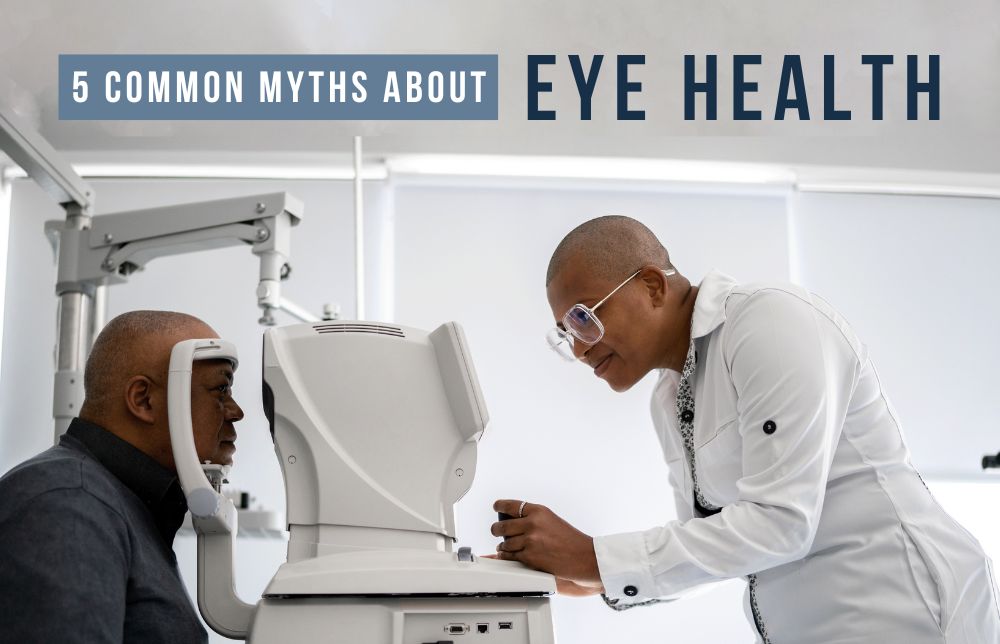
As we age, the risks for vision loss from eye disease increase. Unfortunately, many people rely on outdated conventional wisdom or random online searches to get answers to important eye-related health issues. Here are five common eye health misconceptions and the answers you need to help protect your vision and prevent vision loss.
Eye Health Myths
#1: You only need an eye exam if you feel pain.
Fact: Most eye diseases, like glaucoma and age-related macular degeneration (AMD), have no early warning signs or symptoms. By the time a change in vision is noticed, the damage can be irreversible. Regardless of symptoms, regular eye exams are essential in protecting sight.
#2: Computer screens will ruin your eyesight.
Fact: While it is true long hours spent in front of computer and phone screens can cause eyes to feel tired and strained for a variety of reasons, including the tendency to blink less frequently. But thorough research and data prove that computer, tablet, and phone screens are not responsible for any permanent damage to vision.
#3: All sunglasses are the same.
Fact: Ultraviolet rays can increase your risk for age-related macular degeneration (AMD) and cataracts. Since UV damage is cumulative, you should always protect from the sun. Make sure sunglasses block 100% of UVA and UVB rays and wear them whenever you’re outdoors. To provide additional protection from UV damage, you can also wear a hat and stay in the shade as well.
#4: Vision loss is an inevitable result of aging.
Fact: If you catch eye disease early and take steps to protect your vision, vision loss and many diseases can be prevented. Maintaining a healthy lifestyle that includes staying active, getting proper nutrition, and practicing other smart habits will help protect your vision as you age.
#5: If you got your eyes screened when you got new glasses or contacts, you don’t need an eye exam.
Keeping your eyes as healthy as possible requires regular checkups with an ophthalmologist – a medical doctor who specializes in the diagnosis and treatment of eye diseases. Eye exams for new glasses only check your prescription. Only a dilated eye exam will reveal the entire eye and detect signs of eye disease. Even if you recently got a new prescription for glasses or contacts, you might still need a dilated eye exam.
Taking proper care of our eyes is essential to preserve good vision and healthy eyes as we age.
That’s why the Vision Plan from NCRGEA and AMBA is so important. The plan provides comprehensive coverage with low copays for important services, including coverage for a WellVision exam every 12 months, as well as big savings on eyewear, contacts, and lenses. Sign up now at www.AMBAdentalvision.com/NCRGEA or call 866-979-0497.
Source: https://preventblindness.org/common-eye-myths/
June 14, 2023 @ 8:30 am – 9:30 am
Meeting for CAB members ~ please join us for a virtual meeting via Zoom! Questions, please contact Community Liaison Deryl at deryl@rgea.info.