We all love pancakes, right? They’re filling, a great winter comfort food, and – oh, yes! – absolutely deeeelicious! But this carb-heavy favorite doesn’t help us stick with our New Year’s resolution to lose weight. Or can they?
This pancake recipe is a good source of protein, fiber, and—believe it or not—flavor. Ingredients like rolled oats and cottage cheese don’t sound like the ideal pancake recipe, but give them a shot. The recipe looks like regular pancakes, and they sure do taste like them, too. It’s simply phenomenal that you’re also cutting calories with these!
You can also add a scoop of your favorite protein powder to make this meal even healthier and heartier!
Ingredients
6 egg whites
1 cup rolled oats (dry)
1 cup cottage cheese
2 tsp sugar
1 tsp cinnamon
1 tsp vanilla
Instructions
Put all ingredients into a blender. Blend until smooth.
Heat a large non-stick skillet and spray with non-stick cooking spray or use a non-stick pan. Pour 1/4 cup of the batter for each pancake. Flip when they begin bubbling.
Cook until golden brown.
Repeat with the remaining batter.
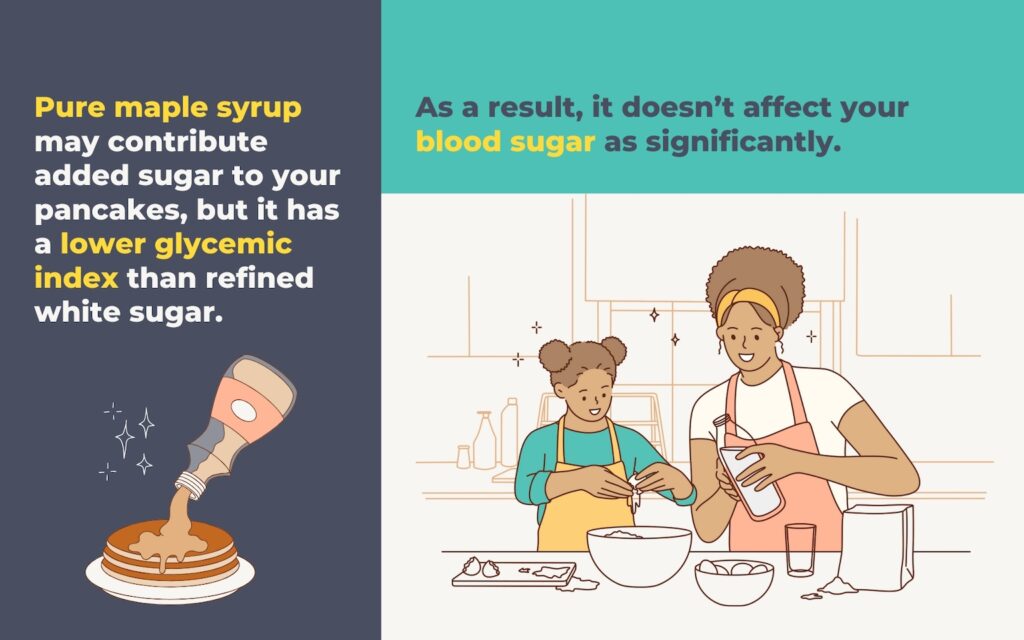
You can serve this recipe however you usually like your pancakes: with sliced banana, fresh berries, or, of course, good old-fashioned maple syrup!
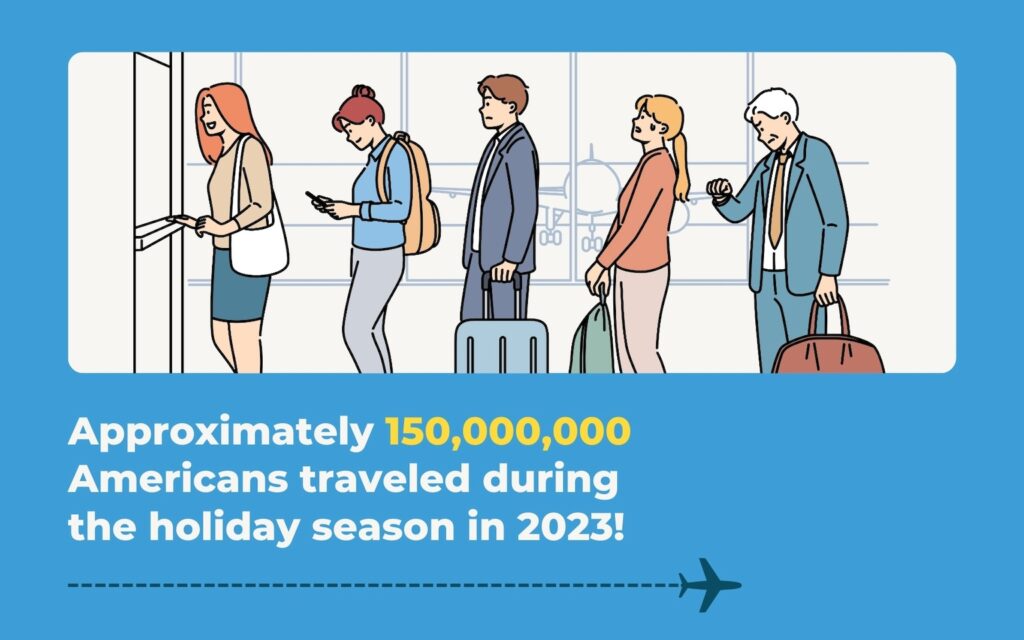
Whether to get together with loved ones or to get away from it all, people love to travel during the holiday season. In fact, 48% of Americans took a trip for the holidays in 2023. But as wonderful as travel can be, with all those people simultaneously hitting the airports and highways, travel can also be fraught with busy roads, unexpected problems, and other issues. If you plan to travel soon, AMBA’s tips can help you enjoy a smoother, less stressful journey.
Be Prepared For Flight Delays This Holiday Season
If you’re flying, travel is frequently subject to holiday delays. Be ready for potential bad weather, technical issues (as we saw affect many airlines in July 2024), or a delay from one part of the country that creates a domino effect. You also want to give yourself plenty of time to get to and from your destination. Plan for long lines to get through security, check luggage, and get to and from destinations.
The Early Bird Catches Their Flight
Taking early morning flights might help ensure your flight takes off on time and isn’t delayed. Plus, you’ll have more time at your destination. It’s a win-win!
More Baggage Will Weigh You Down
If you can travel with only carry-on baggage, you can forgo long check-in lines and head straight to security. Plus, you won’t have to wait at baggage claim. And, lest we forget, you won’t have to worry about your luggage getting lost or stuck somewhere if you have connecting flights.
Drive Away Potential Car Problems This Holiday Season
Want to avoid getting stuck on the side of the road in cold weather instead of enjoying sitting at the dining room table surrounded by your loved ones? Be proactive to avoid common dangers.
Detect And Prepare For Problems Early
Take your car in for an inspection and any necessary maintenance. Make sure your tires are winter-ready and properly inflated for a long drive.
You never know when or where car troubles may arise. Along with a fully charged cell phone and portable charging device, be sure to have a Car Emergency Kit. This kit should include necessities like a First Aid kit, a safety cone, a carjack, a flashlight, and jumper cables. Be ready if you break down in the cold by packing a blanket and extra food and water.
Navigate A Safer Journey – GPS FTW!
Proper planning can help you be ready for the unexpected. No one wants to drive down a highway and hit construction, a road closure, or severe traffic. GPS tools such as Waze can quickly offer safe alternate routes in advance and help you stay on track or even find your way back to the main road if you get lost.
Avoid traffic by timing your travel to put you on busy roads before or after peak traffic times. Essential tips to navigate icy, snowy roads include decreasing your speed as needed, giving yourself extra time to reach your destination so you don’t rush in suboptimal conditions, and giving yourself plenty of room behind other vehicles to stop safely on slick roads.
Protect Yourself from the High Cost of Emergency Medical Transportation
No matter how careful you are or how many precautions you take, accidents are a reality of life – especially during busy holiday season travel. Are you ready if you need emergency medical transportation to a hospital? A ground ambulance or air transport could cost thousands, and Medicare may not cover the expense. It’s essential to protect yourself.
Medical Air Services Association (MASA) provides plans for lifesaving emergency medical transportation services. Services are paid in full, with no deductibles, co-pays, or dollar limits. Whether home or traveling, MASA covers your ambulance or airlift, 24 hours a day, 365 days a year, regardless of your age or medical condition. Plus, you can get your MASA plan through a trusted source: NCRGEA. Learn more at www.AMBAmedtransport.com/NCRGEA or call AMBA at 800-956-1228 M-F 9am-6pm ET.
When it comes to your health, it’s essential to plan for the unexpected. While this is important at any age, it’s especially true as you get older. Even one major health issue can severely and negatively impact your finances. Every year, thousands of older Americans experience a health issue that can result in the need for ongoing care. That’s where certain types of insurance coverage, like Long-Term Care, become essential.
Whether through an in-home healthcare worker or in an assisted living facility or nursing home, Long-Term Care benefits can help cover the costs of extended care. And even though Medicare and other healthcare coverage typically don’t cover these expenses, many older Americans will still require this care at some point.
AMBA explains several factors that make purchasing Long-Term Care insurance more compelling than ever.
5 Reasons Why Investing in a Long-Term Care Plan Is Important
Quality of Life
Long-Term Care services can ensure you receive the necessary support and assistance to maintain your quality of life, regardless of age or health challenges. Professional providers can help you continue living with dignity and comfort and provide the care you deserve as you age or face chronic health conditions.
To Prevent the Depletion of Retirement Savings
Retirement planning involves building assets and a financial cushion to live comfortably after you stop working. But all too often, unforeseen health issues can swiftly deplete these hard-earned savings.
Long-Term Care insurance can help you avoid liquidating assets or dipping into savings. By investing in it, you can create a dedicated pool of funds for potential healthcare needs and protect your retirement savings for their intended purpose.
Protection from Rising Healthcare Costs
Medical expenses continue to rise every year, and the financial burden can be overwhelming. For example, the average cost for an assisted living facility is $4,500 per month, and the average private room in a nursing home costs more than double that, more than $9,000 monthly. The price at these facilities is only expected to increase.
Long-Term Care insurance can provide an essential safety net. It can cover various services, including in-home care, assisted living facilities, and nursing homes. By locking in a policy now, you shield yourself from the potential financial devastation that can accompany a need for extensive care in the future.
Protect Your Loved Ones from the Burden of Caregiving
The emotional and financial toll of caregiving can be immense, straining relationships and depleting family resources.
By securing a Long-Term Care plan, your loved ones can focus on providing emotional support rather than taking on the tremendous responsibility of care. This can help them continue pursuing their careers and passions, strengthen family bonds, and alleviate stress during challenging times.
An Increased Life Expectancy Mean Increased Risk of Requiring Long-Term Care
America’s population is aging rapidly, and advancements in healthcare have contributed to increased life expectancy. While longer life spans are a testament to medical progress, they also underscore the importance of planning for potential health-related challenges in later years.
Long-term care insurance becomes increasingly valuable as people live longer because it can help manage the costs associated with extended periods of care. By investing in a policy now, you’re proactively addressing the potential need for care down the road.
Be Prepared for the Future
The sooner you plan, the better your chances of avoiding financial challenges later. Even today, the expense of Long-Term Care can be a staggering $75,000 a year or more. That’s’ why you should invest in the Long-Term Care plan from NCRGEA and AMBA. If you develop a health condition requiring care, Long-Term Care insurance keeps you in control of your health decisions while protecting your savings and family. Learn more by calling AMBA at800-956-1228 or request a free Benefits Review with a knowledgeable AMBA agent.
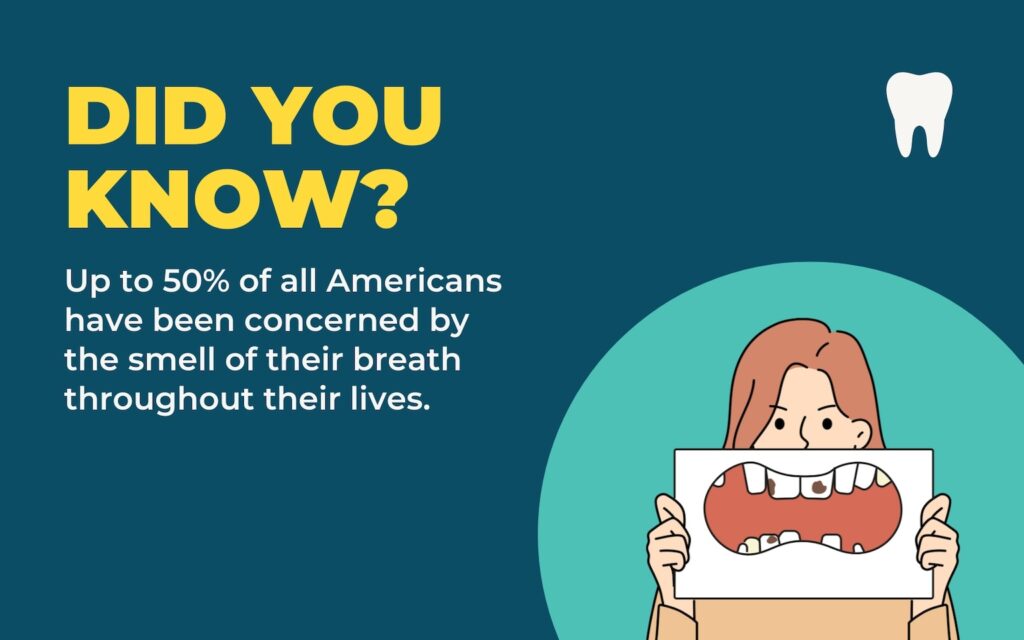
The best tradition of the holiday season is getting together and spending quality time with friends and loved ones. Unfortunately, these close bonds can be easily strained if you or a loved one suffers from halitosis, otherwise known as bad breath.
Lousy breath can keep you those you long to be closest to at a distance. From rich, decadent holiday fare to poor oral hygiene or other dental issues, bad breath can be a big lump of coal in your holiday stocking. Fortunately, there are remedies for reducing halitosis and increasing your holiday fun.
What Causes Halitosis?
Bad breath can be caused by many factors. Beverages and foods like coffee, alcohol, garlic, and onions are among the most common causes. Moderate your consumption of these to help prevent bad breath.
Another common cause is bacteria in the mouth, which can release volatile sulfur compounds that produce the “rotten egg” smell. Poor oral hygiene, such as insufficient or poor brushing and flossing habits, allows bacteria to flourish.
Bad breath can also be a symptom if you suffer from dry mouth. Dry mouth can be caused by dehydration or as a side effect from certain medications that can inhibit the normal flow of saliva, which helps kill bacteria naturally.
A more severe issue is periodontal or gum disease. Gum disease is caused by bacterial infection and takes the form of gingivitis or periodontitis. Gingivitis is usually identified by sensitivity, pain, or bleeding in the gums. Although highly treatable, it also can indicate the first stages of periodontitis, which is more complex. With proper diagnosis and care, gingivitis can be reversed relatively quickly, and patients often see dramatic reductions in the condition within a couple of weeks. However, if left untreated, gingivitis can advance to periodontitis, a more dangerous type of gum disease with farther-reaching consequences. Periodontal disease also produces the worst-smelling breath.
Banishing Bad Breath
The most important steps you can take to combat bad breath:
Brush your teeth before breakfast, not after. The mouth becomes acidic when eating to break down food. Brushing immediately after eating can damage your enamel.
Choose an alkaline mouthwash and rinse after waking. This will restore the mouth’s pH and loosen any plaque or particles accumulated during sleep.
Brush your teeth using fluoride toothpaste 2x a day for at least 2 minutes, making sure to cover all four quadrants for 30 seconds. Don’t forget to floss at least once daily and clean your tongue with your toothbrush or a scraper made for that purpose.
Eating healthy foods can help the body fight or prevent infection. Limiting foods that bolster bad breath can mitigate the likelihood of a tangy or pungent mouth.
We all like to share a toast during the holidays but try to limit your intake of alcoholic beverages. Likewise, acidic drinks like orange juice, coffee, and carbonated beverages can cause bad breath.
If you have symptoms of gum disease, be sure to:
Check for warning signs such as bleeding, soreness, persistent bad breath, or a sour taste in your mouth. If you notice any of these symptoms, visit your dentist.
Use a saltwater rinse twice daily. This can not only help heal gum tissues inflamed by gingivitis, but it can also reduce the presence of harmful bacteria or food particles lodged between the teeth. Add a ½ teaspoon of salt to a small glass of warm water and mix. Swish the solution around your mouth for 30 seconds, spit, and then brush your teeth.
Over-the-counter antibacterial mouthwashes are also available. Consult with your dentist for their recommendations.
AMBA and NCRGEA are committed to ensuring you have access to comprehensive benefits at attractive rates with a robust Dental Plan that offers coverage for checkups, cleanings, and many procedures. Plus, there is NO Waiting Period on covered services, and you can see any provider you want, with bigger savings by staying in-network! Sign up today at www.AMBAdentalvision.com/NCRGEA or call 800-956-1228.
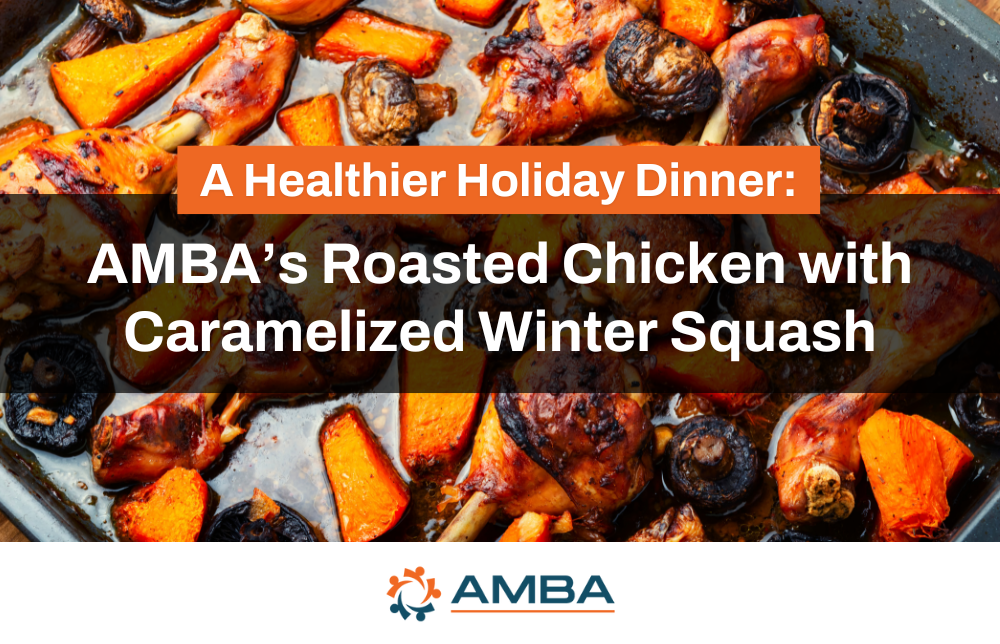
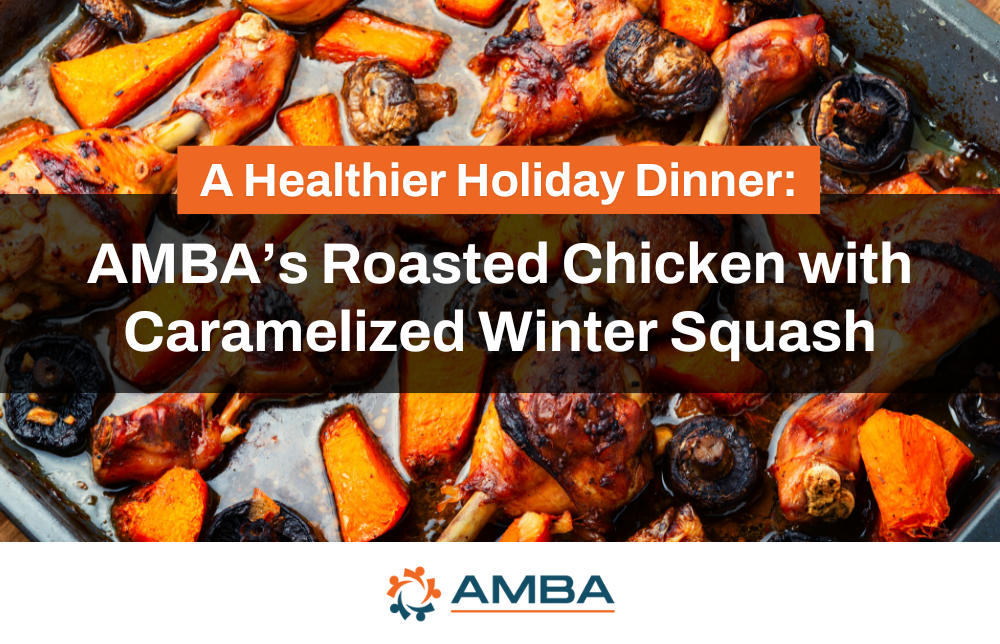
As winter approaches, so do our cravings for heartier meals. This month’s AMBA recipe, Roasted Chicken with Caramelized Winter Squash, offers just the right amount of savory goodness. It contains plenty of protein, just a touch of sugar, and a dash of spicy seasonings for an extra kick. Everything works together beautifully, with the sweet and tangy flavors carrying through from the caramelized squash to the oven-roasted chicken.
This recipe is a satisfying, healthy, and naturally gluten-free comfort food. To complete the meal, you can add a simple green veggie.
How to Make Roasted Chicken with Caramelized Winter Squash
Many believe estate planning is only for people with millions of dollars in net worth. However, estate planning has many components, including your finances as well as healthcare, and it’s essential to make your wishes known.
Estate planning can be one of the most complex things Americans deal with. The legal and financial planning involved is filled with time-consuming details, difficult decisions about distributing your will to loved ones, and daunting misconceptions about the process.
However, estate planning is essential to ensure your loved one’s long-term financial security. AMBA is here to help you bust the myths about estate planning and provide the information you need to have peace of mind knowing your loved ones are protected.
Myth #1: Only the Wealthy Need to Do Estate Planning
In 2024, the lifetime estate tax exemption was $13.61 million per individual or $27.22 million per married couple. Unless Congress votes to change the policy, the exemption will revert to approximately $5 million per individual ($10 million per married couple) on January 1, 2026. That means many more families will be subject to estate tax.
Even if your net worth is still short this sum, anyone over 18 should explore estate planning, regardless of assets. Estate planning can also articulate important matters such as:
Making clear your healthcare wishes, such as Do Not Resuscitate (DNR) orders, are understood and carried out.
Authorizing your finances to be managed by a designated, trusted individual in case you cannot do so.
Providing financial security for your loved ones, should you pass away unexpectedly.
Naming a guardian for minor children.
Creating a structured plan for minor children who inherit assets to make sure they’re financially mature enough to receive and use assets.
Myth #2: I Have Plenty of Time Before I Have to Worry About Estate Planning.
We all know that accidents and health-related emergencies can happen to anyone at any time. And though you can’t prevent the unexpected, you can anticipate the need to protect yourself and your loved ones. Estate planning helps ensure you have the necessary documents so your family members can obtain medical information, visit you in the hospital, or help manage your finances.
All adults should have a HIPAA waiver, healthcare power of attorney, living will/advanced medical directive, financial power of attorney, and a basic will. A trust may also be advisable.
Myth #3: Estate Planning is Expensive.
Though the cost of estate planning can add up, the expense is worth it so your family can avoid the stress, tax liabilities, and potential legal fees they would face without it.
There are resources now available that can make the cost relatively low. For instance, many documents are available online for a small fee. If you have a wealth manager, check in with them to be sure your estate planning documents align with your financial plan.
Myth #4: I Don’t Need an Estate Plan Because My Assets Automatically Pass to My Heirs.
Intestacy is the condition of the estate of a person who dies without a valid will or other binding declaration. If you die without a will or trust, intestacy rules will dictate who receives your assets or handles your financial affairs. These might be different from the people you would have chosen. Also, significant time, expense, and stress for loved ones are frequent stress points for the loved ones of people who pass away intestate.
Myth #5: A Last Will Guarantees Your Assets Will Avoid Probate.
Although a will is one of the most important documents you can have, remember that your life, goals, and even your family can change over time. Estate planning is not a one-time event. It’s an ongoing, evolving concern that needs to keep up with changing needs. Be sure to review your will and ensure it reflects your current wishes.
Myth #6: I’d Get Life Insurance, But I Can’t Find a Policy that Will Accept Me
A Whole Life policy can help your family have a financial safety net after you’re gone. However, many policies make it difficult for applicants to get accepted for a policy. Your association and AMBA can help. They have a Whole Life policy that guarantees acceptance: no medical exams or health questions to answer. Joining is easy: you can purchase your policy online. It even includes a no-obligation 60-day return policy.
Our new office space is great, but our efforts to forward our USPS mail haven’t gone as smoothly as we’d hoped and planned.
If you recently mailed your NCRGEA membership renewal using our return envelope, it may get returned to you with a yellow sticker or the message, “insufficient address.” Here are several options to send in your renewal dues:
Re-address the envelope with the new address below, and mail it again. (This will require a new postage stamp.) NCRGEA 3737 Glenwood Ave. Suite 150 Raleigh, NC 27612
Call us at 919-834-4652 or 1-800-356-1190 during office hours to make your dues payment by credit or debit card.
Make your payment online at Membership Form – NCRGEA.
If you have not yet made your payment, please use one of the options above. We apologize for any inconvenience and thank you for your patience! If you have questions, please give us a call at 919-834-4652 or 1-800-356-1190. Our staff will be happy to help you.
Kind regards, and happy holidays!
Our office will be closed for the holidays from December 24 through January 2. If you have questions concerning NCRGEA’s dental or vision plans during this time, please contact AMBA, our third-party administrator, at 1-800-258-7041, 8am–5pm CST. For information regarding your pension, state health benefits, etc., visit MyNCRetirement | My NC Retirement or contact the Retirement System at 919-814-4590.
Ready to make the most wonderful time of the year even better? AMBA Discounts can help you save big this Black Friday and throughout the holiday season! Take advantage of all the thoughtful savings available through AMBA and your association. Skip the crowds, save money, and give your family the perfect gifts. Now that’s something to be thankful for!
Electronics – The latest tech can be expensive, but not with AMBA Discounts on your side! We’ve got all the biggest and best brands, including Apple, Samsung, Lenovo, and Dell. We also offer significant savings with Anker, the maker of the industry’s best chargers, power banks, and cables.
Personal Touch– Whether your loved ones have a sweet tooth or a taste for elegance, AMBA Discounts has you covered. From delectable edibles like David’s Cookies and Gourmet Dourmé Chocolate USA to fine jewelry from fine vendors like Enso Los Angeles, the Tresnor Collection, and others, explore the latest savings available to you.
Family Vacations – Nothing brings us together like getting away together. There’s no better way to create lifetime memories and bond with the whole family than with a family vacation. AMBA Discounts partners include Adventures by Disney (AMBA Discounts members earn 4% cash back on your ultimate family enrichment vacation), Villas of Distinction (which gives members 2.5% cash back and $100 credit at hundreds of luxury vacation villas worldwide), and Bellagio Las Vegas (with up to 20% off room rates), and so many more options.
There are so many more savings to explore, including car rentals, hotels, clothing, dining, and more. AMBA Discounts provides excellent savings for the perfect gift for everyone on your holiday wish list.
Best of all, your membership is absolutely FREE! Start your Black Friday savings today – visit www.passportcorporate.com now!
It’s the most wonderful time of the year…for scammers. The holiday season is scammers’ favorite time of year. All those busy, distracted people buying gifts, booking trips, and texting like crazy are ripe for digital robbery.
Scammers have grown incredibly skilled at pushing our buttons and playing on our emotions. But don’t worry. AMBA has the info you need to protect you and your loved ones from some of the most dangerous holiday scams, so you’ll know how to avoid them.
Nearly 75% of Americans experienced at least one type of holiday scam last year.
Auld Lang Scam
During the holidays, old acquaintances and friends fill our inboxes and social accounts with hellos and updates. Scammers know these messages bring out our warm-and-fuzzy side, making us more susceptible to phishing emails or phony cries for help.
These are attempts to exploit your compassion for others. If an old friend contacts you and asks for financial assistance, our natural gut response is to help. And every scammer knows it’s easier to hack a person than a machine. Give your friend a call and confirm whether or not their email is genuine.
The Many Dangers of Gift Cards
A common technique used by fraudsters involves gift cards. The scam involves persuading you to buy a gift card and then asking you to either send the physical card to them or tell them the account numbers and information.
This scam can come via email, text message, or direct call. The tactics the scam artists employ also vary, but they usually try to instill a sense of urgency and panic. Sometimes, phishing emails urge you to send gift cards to pay for late fees or fictitious costs. Sometimes, they invent emergencies involving a loved one to trick you into buying and sending cards.
If this happens to you, it’s essential to slow down and question whether you’re reacting emotionally or rationally. Directly contact whoever contacted you—whether it’s your bank, credit card company, or friend—and verify whether the request is authentic.
Even buying gift cards for loved ones has unique dangers. Thieves can access the gift card info on the racks at the store and monitor when someone has purchased (and then activated) the card. You or your loved one will find the card has already been spent before you can use it.
Fake Online Stores Pose a Real Danger
Shopping online at your favorite stores can have dangerous results: thousands of fake online stores are waiting to steal your money, personal information, and credit card information.
Fortunately, these stores aren’t too hard to spot if you know the warning signs to look out for. Some ways to identify a problem include if the URL is misspelled, conspicuous spelling and grammar mistakes throughout the site, or the images appear pixelated (as a result of being copied from a genuine store website).
And as the old saying goes: If the prices seem too good to be true, they probably are. Scammers like to take advantage of people who want to take advantage of a great deal. Resist the urge to make an impulse purchase, and take the time to make sure you’re on a legitimate website.
You Want to Give, Not Give Away Your Identity
For scammers, every tragedy is an opportunity. Fake donation websites, unfortunately, are an effective tool for digital thieves.
These charitable giving websites – whether for crisis appeals, dog shelters, or international aid – are carefully crafted to exploit our emotions and sense of urgency. This is why these sites frequently pressure you to donate now.
If you want to donate safely, take a moment to type in the actual website of trusted organizations to make your gift. Neverclick on a link in an unsolicited email or download an attachment from a social media post.
False Delivery-Notification Texts
Many of us receive text messages about incoming packages during the holiday season, so this simple ruse is especially effective during this time of the year. In this scenario, you’ll be asked to click on a link prompting you to enter personal information to verify your delivery.
Frequently, this scam will install malware on your phone or computer to secretly steal your information. Occasionally, you’ll even be asked to call a “customer service representative,” who will need your account information to verify your purchase. Don’t fall for it.
Porch Pirates
Home delivery can be a welcome convenience but also a great danger. You’re probably familiar with “porch pirates,” thieves who come to your door and steal your packages and gifts.
There are solutions to help secure your deliveries. One is to opt into delivery-tracking alerts, which will let you know when a delivery will arrive. Another is installing a home security camera, which can have a deterrent effect to keep thieves away and provide evidence if your property is stolen. You can also have packages delivered to your workplace or a nearby UPS store, post office, or Amazon Locker.
Posting Your Holiday Travel Plans? That’s When Scammers Go to Work
Heading out of town for the holidays? Posting your travels creates the perfect opportunity for mischief. You’re informing people – including scam artists – when you’ll be away from home and where you’re going. This can leave you vulnerable on two fronts.
Scammers can alarm travelers with fake offers, insurance cards, visa demands, extra booking charges, etc. One popular ploy is to send out flight-cancellation emails that offer a full refund. The tell? You’ll be asked to provide your bank details. Also, don’t use social media to complain about a flight or holiday. Thieves monitor travel sites and are eager to offer “help.”
If you can resist the urge to post your holiday plans and adventures until after you’ve returned, your home and finances can be much safer. If you have an issue with a merchant during your holiday, contact them directly.
AMBA wants to help ensure you and your loved ones’ holidays are fun, festive, and safe. Following the above tips will help. AMBA will continue to update you on how to stay safe from scam artists. It’s all part of how AMBA looks out for you, your well-being, and your financial safety every day.