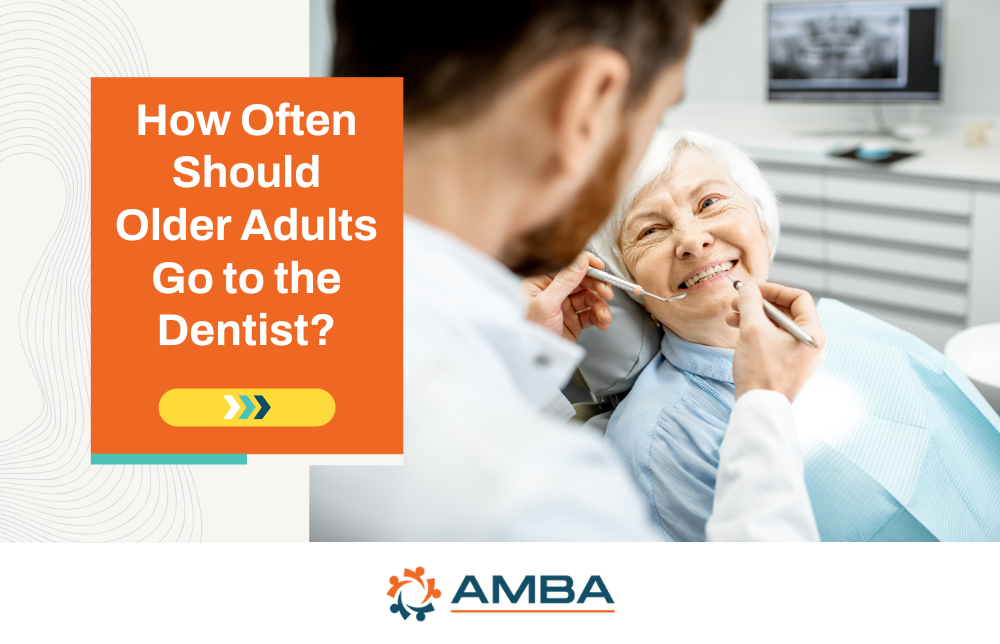
How Often Should Older Adults Go to the Dentist? 

The eyes may be the gateway to your soul, but oral health is a window into overall health. When it comes to your teeth and gums, prevention can indeed be the best medicine. Investing in proper dental care and upkeep can make a meaningful difference. 

Regular dental visits are essential at every stage of life. In most cases, adults should see the dentist twice a year. However, we face an increased risk of tooth decay and gum disease as we age, which may require more frequent cleanings and exams. 

The frequency of dental visits for older adults depends on certain risk factors. 

Older Americans Require Regular Dental Visits to: 

1. Prevent Decay and Disease 

As we age, we become significantly more vulnerable to tooth decay and gum disease. Tooth enamel wears down over time, especially for people with poor oral hygiene or a diet high in sugary, acidic, and starchy foods and drinks. 

Weakened enamel makes teeth more vulnerable to cavities, chipping, abscesses, and gum disease. Unfortunately, enamel cannot be restored naturally, so preserving it with regular dental care and professional cleanings is essential. 

2. Combat the Effects of Dry Mouth 

Adults become more susceptible to health conditions as they age. This can affect your dental health. Many prescription medications often cause dry mouth as a side effect, which increases your risk of tooth decay and gum disease because your saliva can’t sufficiently wash away bacteria and food particles. 

Frequent professional teeth cleanings from a dentist are necessary to protect your teeth from dry mouth. If you suffer from this condition, it’s important to let your dentist know. They can give tips on minimizing its effects and protecting your teeth at home. 

3. For Oral Cancer Screenings 

Teeth cleanings aren’t the only reason older Americans need professional dental care. Oral exams are essential because the risk of cancer increases with age. 

Dentists are often the first to notice signs of oral cancer and other serious dental conditions. Diagnosing and treating oral cancer in its early stages gives you the best possible chance of recovery. 

How Often Should You Go to the Dentist? 

Everyone should visit the dentist at least twice yearly (around every six months) for professional cleanings and exams. However, depending on certain risk factors, you may need to see the dentist every three months or more frequently. 

If a medication or medical condition causes dry mouth, you will need more frequent cleanings to eliminate harmful bacteria. Smoking, poorly fitting dental appliances like dentures, and old, worn-out increase your risk of tooth decay and gum disease. You will also need more frequent professional dental care if you have any risk factors. 

Regular at-home dental care between appointments is just as vital for protecting teeth. However, people with arthritis may have difficulty properly brushing and flossing their teeth, leaving their mouths vulnerable to decay. 

People with mobility issues may need their teeth cleaned more often than twice a year. You can also speak with your dentist about the effectiveness of adding a water flosser to your dental hygiene routine to protect your teeth more effectively and comfortably. 

Another reason you may need more frequent dental care is if you have already developed advanced stages of gum disease. The earliest stage of gum disease (gingivitis) can be reversed 

with teeth cleanings. But if gum disease progresses, you will need more frequent cleanings to keep the infection under control. 

Dental Coverage from AMBA and Your Association 

Everyone’s dental health needs are different, and how frequently you should visit your dentist varies based on your health. Your association and AMBA can help you keep your mouth healthy with a Dental Plan that covers everything from routine check-ups to fillings and many procedures, all at an attractive group rate. Find out more at www.AMBAdentalvision.com or call 866-979-0497. 

Source: https://www.health.harvard.edu/diseases-and-conditions/gum-disease-and-the-connection-to-heart-disease 

https://www.cancer.org/cancer/types

The Road to COLA

Potentially achieving more regularly optimistic forecasts for COLAs will require changes, including adopting asset allocations that align with our higher-performing, well-funded, fiscally conservative to moderate peers.

RGEA 2025 Advocacy Agenda

With the long session just beginning, the RGEA lobby team is already working to
ensure that government retirees are remembered in the new biennial budget for 2025.

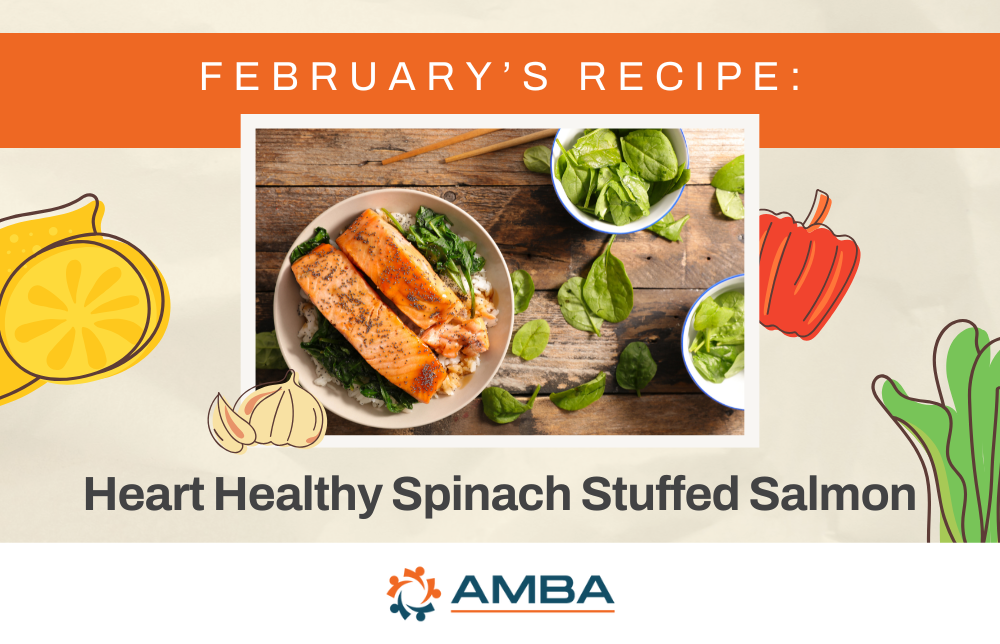
February’s Recipe: Heart Healthy Spinach Stuffed Salmon 

February is National Heart Month, so this month’s recipe from AMBA is perfect. Its Mediterranean ingredients are rich in omega-3 fatty acids, making it heart-healthy. Plus, it’s easy to make: it can be on your table in 30 minutes. And—most importantly—it’s delicious! 

This recipe is for two because February is also Valentine’s month. Nothing says you love your partner more than providing them with delicious foods that help them enjoy a heart-healthy lifestyle! 

Source: https://themarchingapron.com/3-new-amazing-furikake-salmon-favorites/ 

Ingredients 

Servings: 2 

  • 2 salmon fillets, about 4 ounces each 
  • 1 ounce spinach 
  • 1/4 cup chopped roasted red bell peppers 
  • 1/4 cup fresh basil, coarsely chopped 
  • 1 tablespoon chopped walnuts 
  • 1/2 teaspoon extra virgin olive oil 
  • 1/2 teaspoon grated lemon zest 
  • 1 tablespoon Dijon mustard (lowest sodium available) 
  • 1 tablespoon plain dry bread crumbs (lowest sodium available) 
  • 1/2 teaspoon dried oregano, crumbled 
  • 1/4 teaspoon garlic powder 
  • Dash of pepper 

Directions 

1. Heat the oil in a skillet over medium heat, swirling to coat the bottom. Add the spinach and lemon zest and cook, stirring for 2 minutes or until the spinach is wilted. Transfer to a bowl. Stir in the roasted peppers, basil, and walnuts. Let the mixture cool for 5 minutes. 

2. Preheat the oven to 400°F. Line a baking sheet with aluminum foil. Lightly spray the foil with cooking spray. 

3. Cut a lengthwise slit in the side of each fillet to make a pocket for the stuffing. Be careful not to cut through to the other side. Stuff a scant 1/2 cup spinach mixture into each fillet. Transfer to the baking sheet. With a pastry brush or spoon, spread the mustard over the fish. 

4. Stir together the remaining ingredients in a bowl. Sprinkle over the fish. Lightly spray the top with cooking spray. 

5. Bake for 12 minutes or until the fish is the desired doneness and the filling is heated. 

Have a recipe you’d like to share? Let us know! 

From the Capitol: An Advocacy Update

There was early optimism that with the Office of State Budget Management reporting a $987 million surplus, some vehicle for budgetary items would go through; however, none of that came to fruition in 2024.

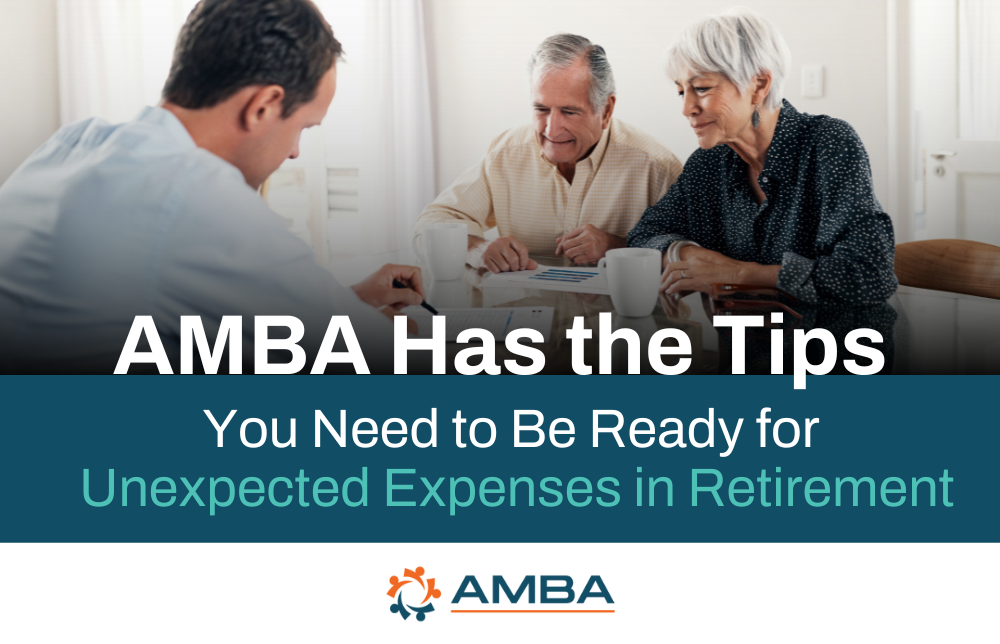
Be Ready for Unexpected Expenses in Retirement. AMBA Has the Tips You Need.

Whether you’re already retired or it’s coming up on the horizon, planning your retirement is essential. Many people experience a great deal of stress when exploring their finances post-retirement. But by taking a smart, strategic approach to financial planning, you can enjoy a successful retirement and be ready for unexpected costs and concerns. AMBA has five crucial tips for income in retirement.

Outline Your Plan

The first step in preparing for retirement income is to have a comprehensive plan. A custom financial plan is a blueprint for financial decision-making. This can help ensure that all aspects of your financial portfolio work together to achieve your goals.

Be Strategically Prepared for Potential Inflation

It’s important to generate income in retirement and thwart potential increases in the cost of living. Balancing short-term and long-term objectives is an effective way to do this.

It’s recommended to maintain 3 to 5 years of living expenses of living expenses in a short-term, semi-liquid investment account. A mix of bond funds works well, providing capital for opportunistic rebalancing and a monthly income. A short-term allocation to bonds can prevent you from being forced to sell equities at a loss when markets are low.

Consider investing any assets not necessary to fund your short-term needs in a diversified portfolio that focuses on growth and inflation protection. While this portfolio should align with your overall risk tolerance and investment objectives, it can include riskier assets than your short-term account.

Tax Diversification Is a Tax-Efficient Withdrawal Strategy

Increases in tax rates are a frequent reason why people wind up with less money in retirement than they anticipated. Ideally, you’ve been saving in multiple accounts with different tax treatments, such as a 401k, Roth IRA, traditional IRA, and taxable accounts. If so, you may be able to maximize your income through tax diversification. Meaning, strategically withdrawing from different accounts in different circumstances.

  • Taxable (non-retirement) accounts: These offer the benefits of tax loss harvesting and have fewer restrictions on contribution amounts and fewer distributions.
  • Tax-deferred retirement accounts, such as pre-tax IRA and 401ks: Withdrawals from trigger ordinary income taxes, as they’ve enjoyed tax-deferred growth.
  • Tax-exempt accounts, such as Roth IRAs: Allow tax-exempt investments to grow for as long as possible, and qualified withdrawals are tax-free.

There are two main withdrawal strategies. Choose the one that best suits your goals, tax situation, and income needs.

Using the “Traditional Approach,” you would withdraw from one account at a time. Typically, withdrawals are made from taxable accounts first, followed by tax-deferred and tax-exempt accounts. This allows the tax-advantaged accounts to grow tax-deferred and tax-free for longer. However, it may result in uneven taxable income.

The “Proportional Approach,” on the other hand, establishes a target percentage that will be withdrawn from each account each year. The amount is typically based on the proportion of retirement savings in each account type. This can help ensure a more stable tax bill from year to year. Plus, it can help you save on taxes throughout your retirement.

The benefit of a disciplined approach is that you won’t be tempted to spend more than you can afford in any given year (or less than you should enjoy!). This practice can help you maintain adequate assets for a lifetime, regardless of market volatility. An advisor can assist you with creating a distribution strategy aligned with your financial needs and tax bracket on a year-by-year basis.

Revisit and Readjust Regularly

Given the potential longevity of retirement, periodic reviews of your financial plan and income strategy are essential. Work with a qualified wealth manager who can help you understand how regulatory and market changes may impact your plan and adapt as needed to align with your evolving goals and needs.

Consider an Annuity from AMBA

Annuities are a smart and safe way to diversify your savings. You can potentially earn much more interest than CDs or savings accounts. NCRGEA and AMBA’s Tax-Deferred Asset Protection Plan have excellent advantages, including tax-deferred accumulation of interest, a guaranteed competitive interest rate, multiple payout options, and a nursing home waiver.

Get more info at myambabenefits.info/ncrgea or speak with a knowledgeable representative by calling 800-956-1228 M-F 9am-6pm ET.

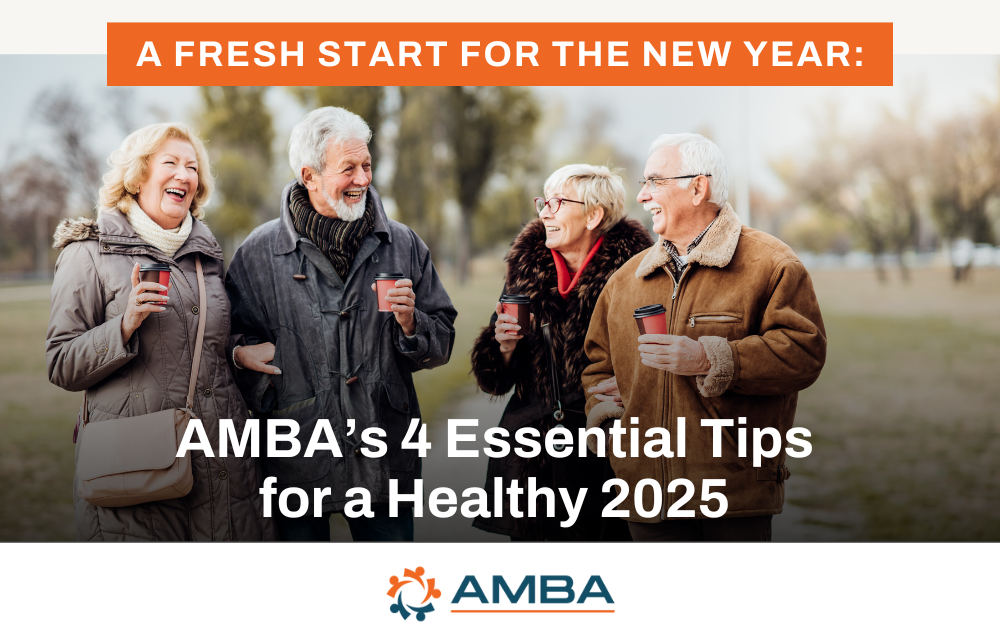
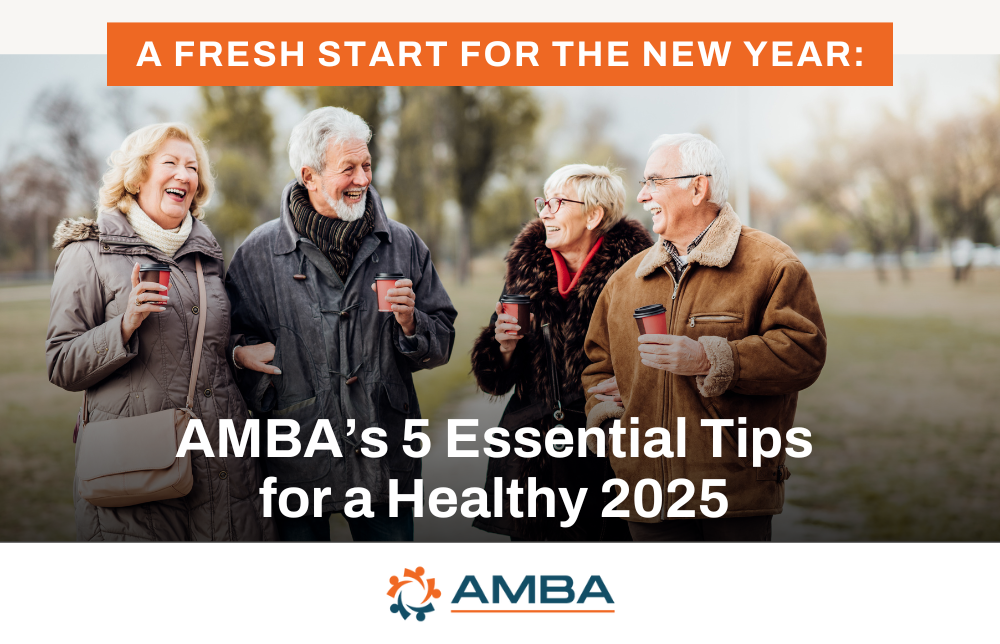
AMBA’s 5 Essential Tips for a Healthy Start to the New Year

For many of us, the holidays were a time for indulgence and enjoyment. Unfortunately, this can be marked by increased food and alcohol consumption and reduced physical activity.

But the festive season is over now, and it’s time to “hit the reset” and return to a healthy lifestyle. The good news is getting back on track getting back on track in the new year doesn’t have to mean drastic lifestyle changes, sacrifices, and restrictions. You don’t have to go low calorie, cut carbs, or even ban the booze. Instead, consider AMBA’s straightforward and impactful ways to get back into a healthy way of living. These small, manageable changes can help you feel more energized and healthier for the new year.

Say Goodbye to the Guilt

It’s all too common for many of us to experience a sense of guilt after the holidays. But dwelling on the excess food and drink you may have consumed is unproductive. The past is behind you!

In fact, feeling guilty can perpetuate unhealthy choices because you’re so busy berating and punishing yourself and your body.

Don’t succumb to the temptation to give up on your healthy habits because you briefly fell off the bandwagon. Choose to look forward and move on!

Extreme measures like cutting out all carbs, sugar, dairy, and alcohol for the next few months can be counter-productive. Healthy living isn’t about depriving yourself of the things you love.

Stay in Control with Portion Control

After the holidays, don’t try to overhaul your diet overnight. Make minor, sustainable adjustments. Think of each meal as an opportunity to make healthy choices that help you feel your best.

One of the best areas to focus on is eating smaller meals more frequently. Be mindful of serving sizes and avoid skipping meals. Also, emphasize nutrient-dense foods like lean protein, whole grains, and fresh produce.

Becoming mindful while eating can also make a difference. Tune into your body’s signals of fullness and hunger. Pay attention to hunger cues and eat slowly to avoid overeating. You’ll quickly find yourself making better choices and eating appropriate serving sizes.

Make the Kitchen Your Castle

While the holiday season frequently involves dining out and socializing, the post-holidays are the perfect time to enjoy being home more often and return to the pleasures of cooking.

Preparing your meals gives you the power to know exactly what’s in your food. This prevents excess sugars, salts, oils, and other processed ingredients from being parts of your recipes.

Instead, make your meals with whole foods, such as lean proteins, healthy fats, fruits, and vegetables. These minimally processed, nutrient-rich ingredients can help you return to a healthful lifestyle.

Likewise, break the cycle of high-sugar holiday sweets by reducing added sugars and refined carbs. Replace desserts with naturally sweet options like fruit or complex carbs like Greek yogurt.

Walk It Off

After all the holiday presents are unwrapped, it’s time to give yourself the gift of exercise. The holidays are a high-risk time to gain a few extra pounds with all the delicious meals and toasts with loved ones. Exercise can combat this risk by helping you burn excess calories, maintain muscle mass, and sustain a healthier metabolic rate.

Another great reason to get your workouts in is that exercise reduces stress. As much fun as the holidays can be, all the shopping, socializing, and scheduling can take a toll on your physical and mental well-being. Exercise provides an outlet to release built-up stress, which can often lead to overeating. Exercise can also give you a sense of accomplishment and pride in taking control of your health.

Focus on Progress, Not Perfection

For your post-holiday reset, forget about quick fixes or crash diets. Sustainable changes take time. Celebrate small victories and enjoy the process of nourishing your body.

Another great way to take control of your health in the new year is to ensure you have all the benefits you need. As NCRGEA’s trusted benefits partner, AMBA can help you live your best life and enjoy peace of mind. 

AMBA’s compassionate and highly trained agents can provide insightful recommendations to help you fill the gaps in your coverage and determine the right policies for you. This includes comprehensive Dental and Vision plans, Life Insurance, Emergency Medical Transportation coverage, and other essential policies.

Request a FREE Benefits Review at www.amba-review.com/NCRGEA or call 800-956-1228 Mon-Fri 9am-6pm ET.

Source:

https://www.health.harvard.edu/staying-healthy/keep-your-health-habits-on-track-during-the-holidays

https://www.health.harvard.edu/blog/yes-you-can-avoid-weight-gain-over-the-holidays-2019112518309

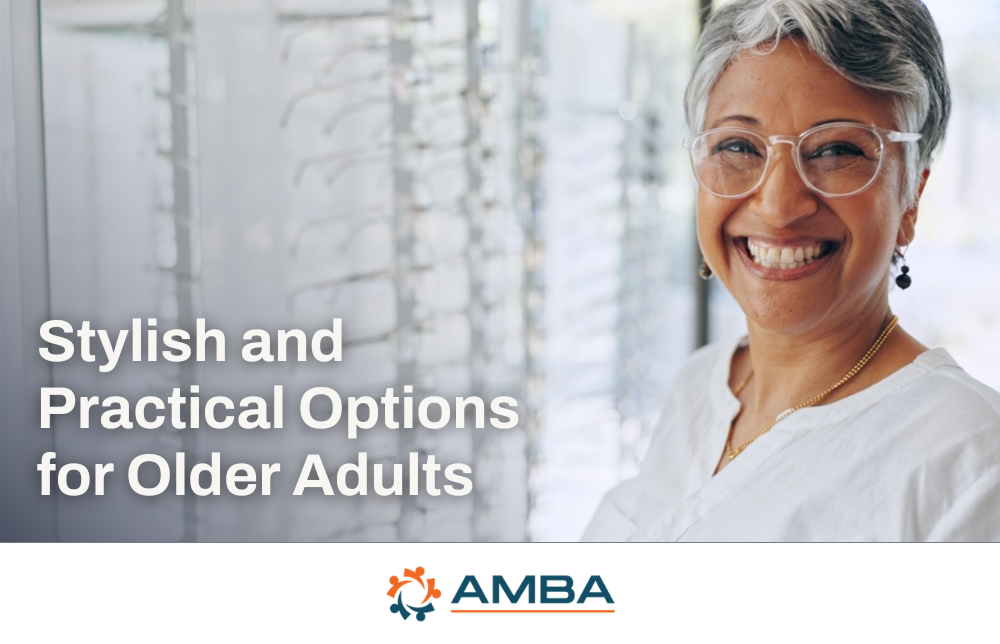
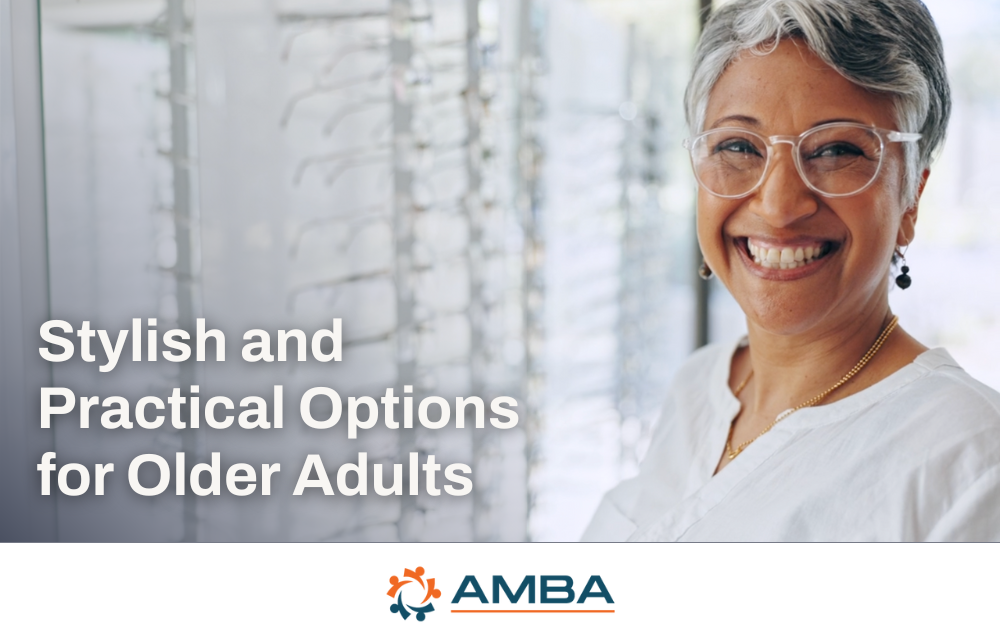
AMBA’s Eyewear Trends for 2025: Stylish and Practical Options for Older Adults

The days when eyeglasses were just a functional accessory to help improve vision are long gone. Today, eyeglasses are one of the most powerful and important fashion statements. Older adults are no longer stuck with no choice but plain or simply utilitarian glasses. Today’s eyewear celebrates individuality and style at any age.

Today’s wide range of luxury designer eyeglasses and sunglasses let you express your unique style and make a bold statement. So, what are the hot trends for older adults in 2025? AMBA has found the latest styles and advancements that emphasize attractive looks, comfort, and innovative technology in the new year.

Focus on Comfort and Lightweight Materials

One of the most significant trends in 2025 will be ultra-lightweight materials that enhance comfort. Comfort is a priority for older adults, who often wear glasses for extended periods. Frames crafted from materials like titanium, bio-acetate, and memory metals have been gaining popularity lately. These materials are not only light but also durable, ensuring they are suitable for long-term use.

Designers are also integrating ergonomic features into frames, such as adjustable nose pads and flexible temples. These features provide a customized fit, reducing pressure points and improving comfort.

Fashion-Forward Eyewear Designs

Rich earth tones, metallic finishes, and bold jewel shades like emerald and sapphire are the trends for 2025. Transparent and gradient-colored frames are also in vogue, adding a contemporary edge to classic designs.

Patterns inspired by nature, such as marbled effects and floral motifs, are also gaining popularity. Furthermore, frame shapes like cat-eye, round, and geometric styles are being reimagined with subtle enhancements to suit mature faces.

A Larger Focus on Larger Lenses

Larger lenses provide a wider field of vision, which is essential for progressive lenses and bifocals. Since vision needs change with age, many older adults prefer glasses that require fewer adjustments.

In addition to being functional, oversized lenses allow you to blend retro aesthetics with contemporary flair. They are a versatile fashion staple that complements any outfit and face shape. Celebrities like Jennifer Aniston, Rihanna, and Johnny Depp have all embraced the style with a modern twist.

Prescription Sunglasses with Style

Prescription sunglasses are a smart investment for older adults who want to protect their eyes from harmful UV rays. In 2025, these sunglasses will be offered in many stylish designs, from aviators to oversized frames. Polarized lenses, which reduce glare and enhance contrast, are popular for outdoor activities like driving or walking.

Oversized sunglasses gained popularity in the 1960s thanks to Jackie Onassis and Audrey Hepburn. Mary-Kate and Ashley Olsen revitalized the look in the early 2000s. The frames are timeless and are now being given a modern upgrade for 2025 with bold shapes and colors.

Smart Eyewear Technology

Another significant trend in eyewear is technological advancements. Some smart glasses now automatically adjust for reading or distance vision, eliminating the need for multiple pairs of glasses for those with specific vision needs. As technology becomes more user-friendly, older adults are increasingly embracing these innovations.

Smart glasses with features like voice control, fitness tracking, and health monitoring are becoming more accessible and offer substantial advantages for older adults. These devices can track physical activity and provide crucial health benefits, such as monitoring heart rate and blood sugar and reminding the wearer to take medication.

2025 boasts many exciting eyewear trends. AMBA and NCRGEA have a Vision Plan that makes it easy to get high-quality eyewear so you can get the perfect frames to match your style. This plan provides generous coverage on frames, glasses, and most lenses (even progressives!). Plus, it covers annual WellVision exams. Visit www.AMBAdentalvision.com/NCRGEA or call 800-956-1228 to enroll today.

Sources: https://vogue.sg/oversized-eyewear-spring-summer-2025-shows

https://lookeronline.com/blogs/sunglasses-trends/paris-fashion-week-fresh-off-the-runway-20242025-eyewear-trends?srsltid=AfmBOoqlG6vWUQgBJZ90eg2mwWOc9Lr-QF_joQj4XbW_0HL7SuhG4cmY

How AI is Revolutionizing the Battle Against Gum Disease

Do your gums feel tender when they’re touched? Do they easily bleed? Do you have bad breath that won’t seem to go away? You might be suffering from periodontal disease, a prevalent oral health issue that affects millions of Americans. Left untreated, gum disease can lead to tooth loss, systemic health complications, and a reduced quality of life. Early detection and intervention are critical to preventing the progression of gum disease. Fortunately, Artificial Intelligence (AI) is emerging as a crucial tool in the fight for oral health. AI is revolutionizing dentistry by leveraging machine learning, advanced algorithms, and real-time analytics.

The Enhanced Diagnostic Capabilities of AI in the Battle Against Gum Disease

Clinical observations, X-rays, and periodontal probing have traditionally been used to diagnose gum disease. However, these techniques can sometimes miss subtle early-stage indicators of gum disease. With precision greater than the human eye, AI analyzes dental X-rays to detect early signs of bone loss. This is a key indicator of gum disease.

AI can also identify patterns that even the most expert dentists might overlook by nearly instantly analyzing incredible amounts of data. These models can highlight areas of concern in dental images, such as inflamed tissue or early bone deterioration. This can give dentists a clearer picture of a patient’s periodontal health.

AI-powered tools are also being developed to assess gum health more precisely than traditional tools. These devices can store data over time, allowing dentists to track changes in gum health and catch early signs of disease before they become more serious.

AI and Your Home Dental Care

AI technology can even integrate with wearable devices and in-office tools to monitor patients’ oral health. For instance, smart toothbrushes equipped with AI can track brushing habits, identify areas of insufficient cleaning, and provide feedback on how to improve oral hygiene. Dentists can then use this data to identify patients at higher risk of gum disease and recommend preventive measures.

Another vital advantage of AI is that it can analyze data. This includes genetic predisposition, oral hygiene habits, and medical history. This can help predict a patient’s likelihood of developing gum disease and suggest tailored preventive measures.

Personalized Treatment Plans

AI’s in-office and at-home abilities can help you and your dentist create personalized treatment plans based on individual risk factors. For example, your dentist might recommend more frequent cleanings or targeted antimicrobial therapies if you seem to have a high risk of gum disease.

Another notable benefit of AI tools is that they can help dentists make complex medical issues more relatable for patients. AI can generate compelling 3D visual models so patients can see the current state of their gums and simulate the progression of untreated gum disease. This enhances understanding and can help motivate patients to adhere to recommended treatments and preventive measures.

AI has the potential to be a revolutionary tool in how gum disease is detected and managed and will likely play an increasingly vital role in promoting oral health and preventing the long-term consequences of periodontal disease. But regular checkups with your dentist remain essential. That’s why AMBA and NCRGEA have a comprehensive Dental Plan to help you care for your oral health. Dental Plan provides coverage for checkups, X-rays, cleanings, and access for any dentist you want with more significant savings by staying in-network. Best of all, there is NO WAITING PERIOD on covered services! Visit www.AMBAdentalvision.com/NCRGEA or call 800-956-1228 to enroll today.

https://www.foxnews.com/health/ai-helps-dentists-catch-cavities-gum-disease-unbiased-gives-more-accurate-diagnoses

https://hms.harvard.edu/news/ai-may-be-just-what-dentist-ordered