


The North Carolina Retired Governmental Employees’ Association opposes Senate Bill 743

NCRGEA opposes Senate Bill 743.
Four Great Travel Tips for Older Americans

Travel can fill the soul and widen your horizons, but it also has many challenges. Particularly for older people and those with mobility or health issues, navigating multi-city and round-the-world (RTW) travel can be tricky. But it doesn’t have to be.
Here are four tips for staying comfortable – and healthy! – during multi-stop and long-haul flights, no matter what your age:
- Take the Complications Out of Connecting Flights
If you have connecting flights, the airports you choose to make connections in can make a big difference. The world’s biggest airports – like John F. Kennedy International in New York or Hartsfield-Jackson Atlanta International Airport are massive. That can mean dragging your carry-on across multiple terminals to make your next flight. Also, you need to be prepared to wait in long lines at security check-ins and passport control because the TSA tend to be stricter, and it may take longer. Plus, locations like Chicago O’Hare and Boston, where inclement weather are more prone to cause cancellations and delays, can affect when your plane arrives and if you’ll have enough time to make or even miss your connection. As much as you may be eager to minimize your wait time between flights, building in time to make your connection with a minimum of potential stress (particularly if you have mobility issues) is a smart decision. Four hours or so between flights should suffice.
- Stop Stressing & Add A Stopover
Travel may be exciting, but the same can’t be said for jet lag. The human body simply wasn’t designed to fly across multiple time zones in a short period. For children and travelers over 60, adjusting to a new time zone can be even more difficult. But there’s a simple – and fun! – solution to this problem. Add a stopover – especially if there is a big time zone difference to your ultimate destination. A day or two stopover can help your body deal with jetlag more effectively. Even better, you get to enjoy an additional location during your travels! If you have two long connecting flights back-to-back (for example, you’re visiting the Near East with a layover in Paris), book a stopover in the connecting city for at least a night. You’ll be so much more comfortable, and your travel photos will be that much more exciting!
- Move Around
No matter how comfortable any chair at the airport lounge or on the plane is, traveling is hard on the body. Be sure to get up, walk around, and stretch. To keep yourself from getting stiff or sore, before, during, and after your flights is important. Moving around and stretching throughout your flight and at airports between flights will also help you prevent any problems with deep vein thrombosis.
- Make an Investment in Safety and Security
Here’s a smart idea for travelers of all ages. Medical Air Services Association (MASA) has been providing life-saving emergency assistance for over thirty years. MASA can protect you from catastrophic financial loss when medical emergencies arise at home or while traveling. MASA will cover your ambulance or airlift, no matter your age or medical condition. Services are paid in full, with no deductibles, co-pays or dollar limits. MASA provides coverage 24 hours a day, 365 days a year. Your association and AMBA make getting a MASA plan easy. You can even sign up online. Learn more at www.ambamedtransport.com/NCRGEA or call 877-290-3170.
Who Was the First Woman Dentist?

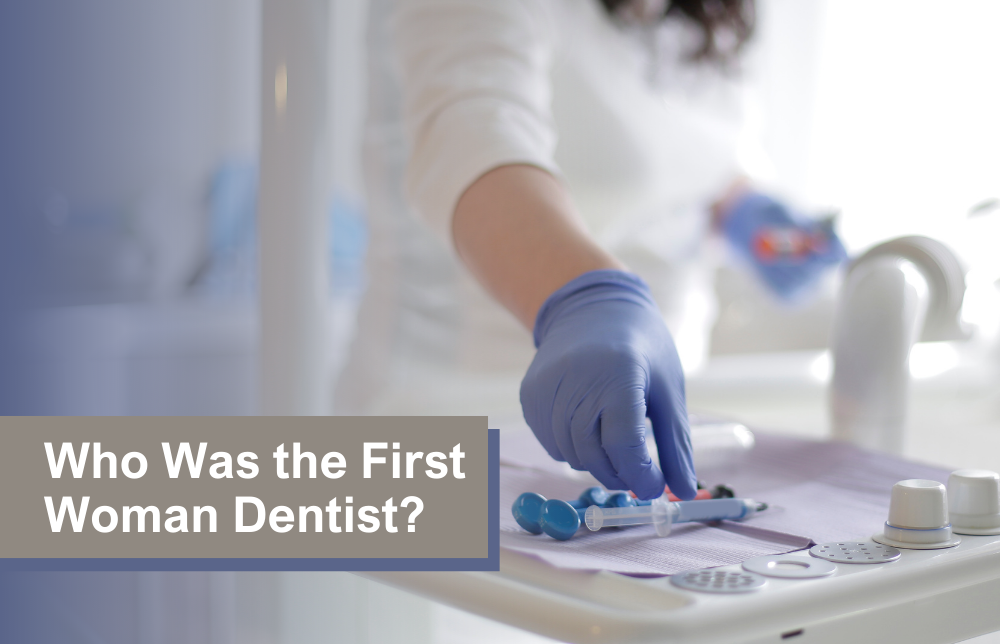
Today, many prominent dental professionals are female. That wasn’t always the case. In fact, it wasn’t until 1866 that the first woman earned the title of Doctor of Dental Surgery. That honorific belongs to Lucy Beaman Hobbs, the very first licensed female dentist.
Becoming the First Woman Dentist
Hobbs was born in New York on March 14, 1833. When she was 12, she obtained a job as a seamstress to support her siblings. Four years later, she moved to Michigan and spent ten years as a teacher. During this time, she boarded with a physician and became interested in medicine.
In 1859, she moved to Cincinnati, Ohio and applied to medical school at Eclectic Medical College. Hobbs was rejected because of her gender, but a teacher from Eclectic was impressed with her so let her study privately under his supervision. Eventually, they decided she should consider dentistry.
Hobbs applied to the Ohio College of Dentistry. Once again, she was rejected because she was a woman. She began a private program of study with a professor from the school, Jonathan Taft. Hobbs applied once more to the dentistry program and was refused admittance yet again. As a response, she opened her own office, allowing her to practice dentistry without having to obtain a diploma – a common practice at the time.
An Untraditional Path to a Degree
Hobbs opened her practice in 1861 in Iowa. Within three years, she had developed a strong reputation, and her dental office was profitable. In 1865, the Iowa State Dental Society let Hobbs become a member, stating, “The profession has nothing in its pursuits foreign to the instincts of women.”
In addition to admitting Hobbs to the organization, the Iowa State Dental Society convinced the Ohio College of Dental Surgery to open its doors to Hobbs and let her attend as a student. The College recognized her successful years of practice and only made her attend a single session. She graduated in 1866, becoming the first woman to become a licensed dentist.
Eventually, Hobbs began a dental practice in Chicago and married a Civil War veteran named James M. Taylor. Hobbs taught her husband dentistry and the two eventually created a practice together in Lawrence, Kansas.
Hobbs continued practicing dentistry throughout her life while also regularly participating in Women’s Right campaigns. She was still practicing dentistry at the time of her death at age 77.
The Legacy of Lucy Hobbs Taylor
In 1983, the American Association of Women Dentists honored her by establishing the Lucy Hobbs Taylor Award. The award is presented annually to AAWD members in recognition of professional excellence and achievements in advancing the role of women in dentistry.
Today, there are tens of thousands of excellent female dental professionals. Many are in-network with the Dental Plan available from NCRGEA and AMBA. This plan covers everything from routine checkups and cleanings to procedures like fillings, crowns, dentures, and more. Best of all, our Dental Plan coverage begins right away, with NO WAITING PERIOD. Sign up now at www.AMBAdentalvision.com/NCRGEA or call 866-979-0497.
Source: https://www.peoplesworld.org/article/this-week-in-women-s-history-first-american-woman-dentist/
NCRGEA Spring Conference 2023

In Flat Rock/ Hendersonville at Blue Ridge Community College and remarks from Board President Mike Taylor!
So glad our sponsors are able to be here in attendance and provide our members with great information and trinkets to take home! Lots of great education occurring here!
Planning Your Next Great Adventure? Try These Tips from A Personal Travel Coach.

There are sports coaches. Life coaches. And career coaches.
But a travel coach?
Formerly a travel writer, Dylan Essertier now works with people seeking travel experiences that go beyond the ordinary vacation.
“I searched for a travel advisor who would speak to ‘a woman like me’—someone who didn’t just want to escape through travels but use that time away to help me move toward my long-term goals,” she says.
She couldn’t find that kind of coach, so she became one herself.
“It wasn’t until the past five years that travel coaching has really taken off,” says Michael Bennet, co-founder of the Transformational Travel Council. He attributes the demand to the growth of the personal development industry and the increasing popularity of experiential adventures. Travelers are becoming more interested in the why and how of travel than the what and where.
“Many of my clients are less interested in sitting on a beach and forgetting their life back home,” adds Essertier. “They want to reflect, learn, reset and figure out what really matters to them.”
The transformational power of travel has been documented since Homer wrote the Odyssey. Modern travelers interested in the inner journey can relate to books like Travels with Charley by John Steinbeck and more recently, Eat, Pray, Love by Elizabeth Gilbert. Here are a few tips from Essertier for planning a meaningful trip:
• Instead of “Where do I want to go?” start by asking yourself, “What do I want to feel?”
• Be specific about how you want to feel. If you want to feel unburdened, for example, this may encourage you to pack light, turn off your phone, and not schedule something every minute.
• Journal daily. Before going to sleep, write down the day’s high points, low points or any experiences that feel new or interesting to you.
It’s also wise to eliminate any unnecessary medical worries. Medical Air Services Association (MASA) covers best-in-class emergency air and ground transport 24/7 from home or anywhere in the world, plus transportation of vehicles, children, grandchildren, and even pets at no additional cost. With MASA, there are no premiums, deductibles or other hassles. Pay once and you’re covered. Ask an AMBA agent about an emergency transport policy endorsed by your association. Learn more online or call 866-979-0497.
When you’re away from home, peace of mind is primary. As Essertier says, “Putting yourself in the right mindset is the key to planning travel that transforms you.”
Share this Article
When Springtime Is Allergy Time: 8 Steps to Avoid Suffering in 2023
Flowers and trees are starting to bloom, the birds are singing, and the sun is shining – once again, spring is here! While many of us are delighted that the cold gloom of winter is behind us and the longer, warmer days of spring are finally here, it also marks the start of allergy season.
It is estimated that allergies are the sixth leading cause of chronic illness in the U.S., with more than 50 million people affected by them. Allergies are abnormal responses of the immune system where the body’s defenses react to a usually harmless substance in the environment, such as pollen, animal dander, or food.
Allergies can have a greater impact on older people due to age-related changes in their immune systems. Many things can trigger an allergic reaction, but springtime allergies are frequently triggered by pollen. As pollen levels rise, you may hear people say they have hay fever, which is another term for seasonal allergies.
Basic symptoms associated with seasonal allergies include:
- Itchy eyes, nose, and throat
- Sneezing and/or coughing
- Stuffy or runny nose; watery and/or dark circles under the eyes
- Fever
- Fatigue and weakness
How to Protect Yourself from Seasonal Allergies:
Taking early action against symptoms can prevent them from slowing you down. Some symptoms can lead to more serious illnesses, including sinus, ear, and upper respiratory infections.
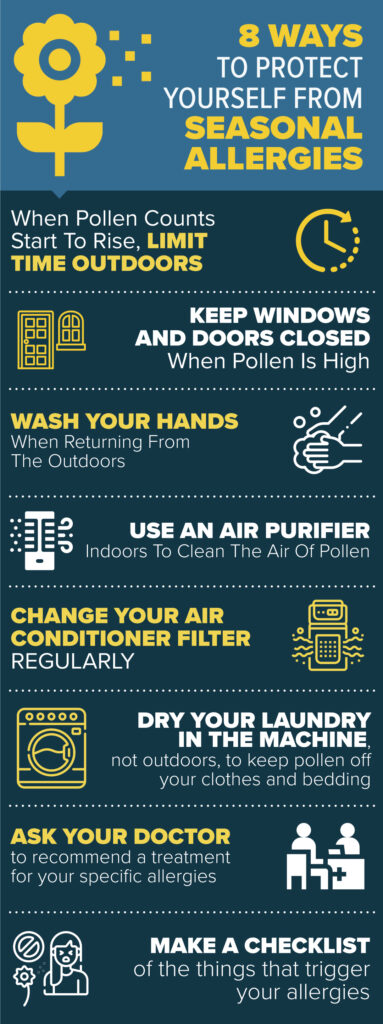
- When pollen counts start to rise, limit time outdoors.
- Keep windows and doors closed when pollen is high.
- Wash your hands when returning from the outdoors.
- Use an air purifier indoors to clean the air of pollen.
- Change your air conditioner filter regularly.
- Dry your laundry in the machine, not outdoors on a clothesline, to keep pollen off your clothes and bedding.
- Ask your doctor to recommend a treatment for your specific allergies, such as over-the-counter products, prescription drugs, or allergy shots.
- Make a checklist of the things that trigger your allergies.
Another checklist you need to make is to make sure you have all the coverage you need. A FREE Benefits Review with a caring AMBA representative can help. Each of our agents is trained to explain how specific coverage may help fill in the gaps of what Medicare, state pensions, and other sources may not cover. Schedule your Benefits Review today at www.amba-review.com or call 866-615-4063 Mon.-Fri 8am-6pm CT.
Source: https://www.ncbi.nlm.nih.gov/pmc/articles/PMC5362176/
What Famous Person in American History Invented Bifocals?
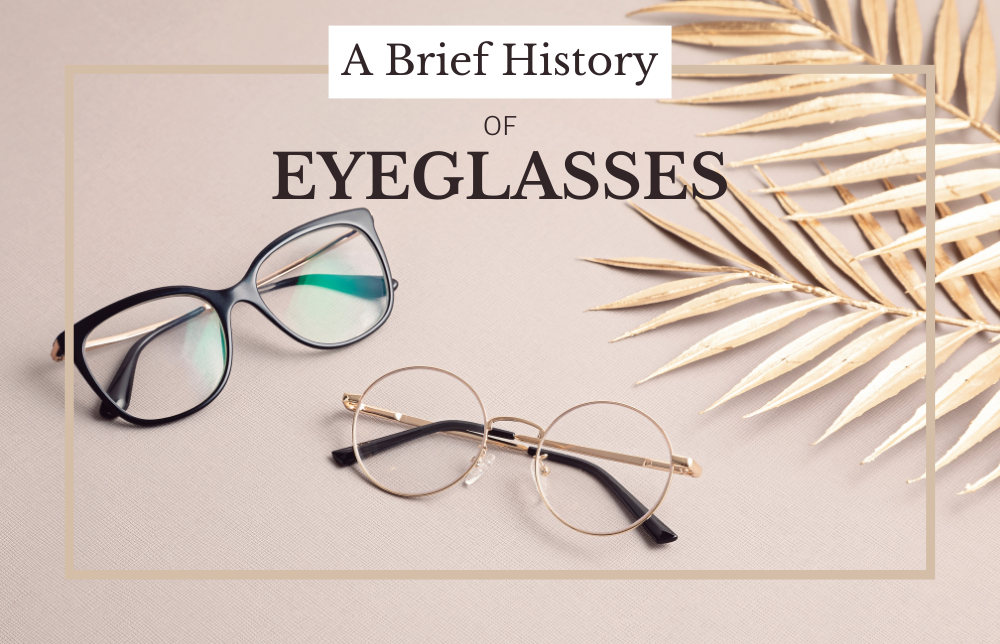
When you think of the greatest inventions humankind created, answers like “the wheel”, “the printing press”, or “the internet” come readily to mind. But the importance of corrective lenses – eyeglasses, including bifocals – is frequently (apologies for the pun) overlooked. But eyeglasses for visual aid are one of the most common – and essential – tools even now in the 21st Century. However, the history of glasses is complex with many contradictory beliefs about where and when they were created.
Imagine a world without glasses. Where being able to recognize people from a distance or read a book in your lap was a major challenge, if not impossible This is how it was for centuries. People struggled with visual impairment and accepted it as a fact of life. And when corrective lenses first became available, they were a rare possession only the rich could access and afford.
The First Eyeglasses
Many believe that eyeglasses were created in Italy during the 13th Century by Salvino D’Armati. D’Armati’s invention placed two convex lenses in a wooden setting, with a shaft held together with a rivet. These early glasses were not fitted to the face. To use them, the wearer had to hold them in place.
It wasn’t until the 18th century that the eyeglasses we recognize today began taking shape. A nose bridge and temples were added to keep the eyeglasses in place. Advancements continued, including improved materials, better-designed temples, and more comfortable nose pads.
History of Bifocal Lenses
None other than Benjamin Franklin is credited with inventing bifocals in 1784. Like most of us, Franklin’s eyesight worsened as he got older, developing both near- and far-sightedness. Tired of switching between two pairs of eyeglasses, he invented “double spectacles” by cutting and then attaching the two lenses’ segments into one glass with a distinct switch between the upper and lower lenses. In 1824, Peter Williams came up with the name “bifocals” for this type of corrective eyewear. Williams would later be credited with the invention of trifocal lenses.
Although the design of today’s bifocals hasn’t changed much since Benjamin Franklin’s time, better materials, manufacturing methods, and better lens technology have evolved to make the bifocal lens more advanced and more usable.
Today’s Eyeglasses: Practical, Comfortable, and Fashionable
We frequently take our glasses (whether they be a single lens, bifocals, or trifocals) for granted – until we misplace them. Then we’re quickly reminded of the importance of our eyewear.
Eyeglasses have come a long way through history to become what they are now, including options such as contact lenses, trifocals, and corrective surgeries. But the usefulness and longevity of eyeglasses are assured. Plus, eyeglasses accentuate our own personal style and fashion sense. Your association and AMBA have a Vision Plan that can help you get the eyeglasses and the prescription that’s just right for you. Our plan includes an annual WellVision checkup and coverage on a large selection of designer eyewear. Sign up now at www.AMBAdentalvision.com or call 866-979-0497.
Source: https://www.ushistory.org/franklin/science/bifocals.htm
5 Dental Issues That Could Be Hereditary
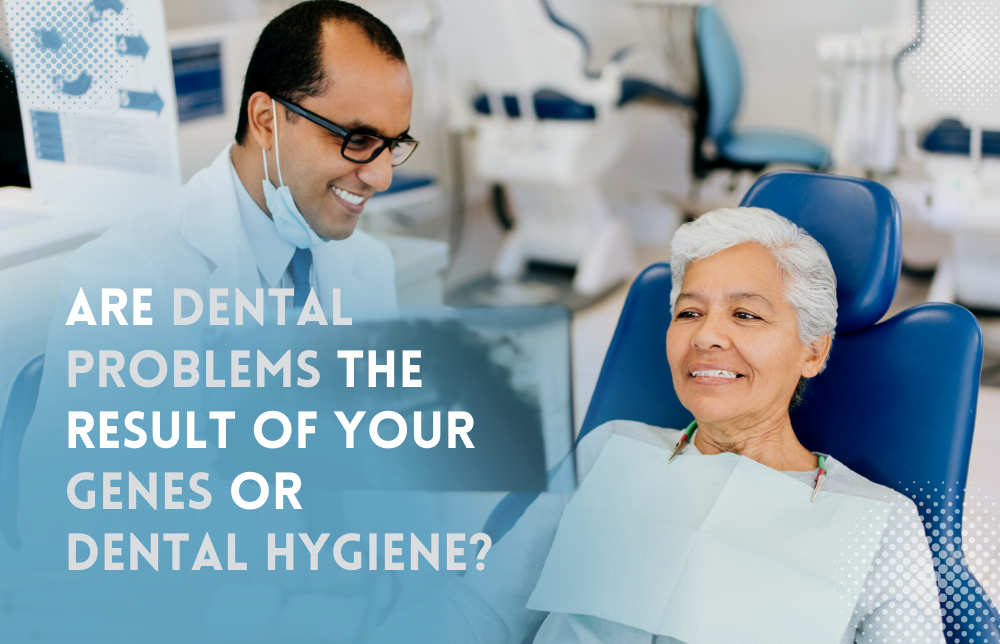
You can probably look at old photos of your parents and recognize what features you got from each. Maybe you got your mother’s eyes or your father’s smile. But are you also born with your parents’ dental issues? If your parents had poor dental health, then you will most likely have problems too. While it’s true some of your oral health is a direct result of your DNA, much of it is up to you.
Hereditary Dental Issues Factors
Your genes affect your oral health, the size and shape of your mouth, and bone structure. Your ancestors pass down issues like overcrowded or crooked teeth. The same applies to the size of your jawbone which can lead to problems with your bite or issues with your jaw joints.
1. Misaligned (Crooked) Teeth
If you had braces, your siblings also probably needed them. Genetics are a major factor in the shape of your face and the size of your jaw. Misaligned or crooked teeth can cause crowding, gaps, overbites and underbites, and food to get trapped between teeth, resulting in the growth of bacteria, which can cause cavities and gum disease.
2. Tooth Color
Tooth color is determined by a combination of your genes and environment. People whose teeth develop naturally with thinner enamel generally have teeth that appear more yellow, although this can also be a consequence of losing enamel as you age.
3. Tooth Decay
Just as you should discuss with your family doctor if your parents have a history of health issues like heart disease, be sure to tell your dentist if your parents had a greater risk of cavities in their adult teeth. Certain variations of genes are linked to a greater risk of cavities. Adults with a high risk of tooth decay may benefit from prescription toothpastes or mouth rinses.
4. Periodontal Disease (Gum Disease)
Up to 30% of the population may be genetically predisposed to gum disease. If you experience symptoms like sensitivity and inflammation, see your dentist. If left untreated, gum disease can eventually cause tooth and bone loss.
5. Oral Cancer
Every year, oral cancer is responsible for the deaths of thousands of Americans every year. Although tobacco and alcohol use are the highest risk factors for developing the disease, people with certain genetic markers have a higher risk than normal. You can lower your risk by quitting tobacco, cutting back on alcohol, and eating a healthy, nutritious diet.
Dental Issues Are Often a Result of Bad Habits
Dental problems such as gum disease and tooth decay are almost entirely preventable and are largely due not to your genes but your own oral hygiene practice. Even if you have “bad teeth”, there is a lot you can do to help them be as healthy as possible; a good oral hygiene regimen can prevent cavities and gum disease.
See Your Dentist for Checkups
With smart preventative oral care and visiting your dentist twice a year for checkups, you can significantly reduce the risk of the genetic factors that cause “bad teeth” and can help you keep your mouth healthy and avoid problems. Exams at least every six months give your dentist a chance to provide advice on caring for your teeth and allows him or her to detect oral health problems early, when they’re most treatable.
Your association and AMBA offer an excellent Dental Plan with low deductibles and high maximums. This plan gives you coverage with over 400,000 in-network providers nationwide and includes savings on checkups, fillings, and many procedures. Sign up now at www.AMBAdentalvision.com/NCRGEA or call 866-979-0497.
NC House Includes 2% COLA for State Retirees in 2023 Biennium Budget
By Tim O’Connell, Executive Director of North Carolina Retired Governmental Employees’ Association | March 30, 2023
On behalf of our association’s close to 66,000 members, we want to thank the efforts of both the executive branch and our House legislative leadership for including a 2 percent recurring cost of living adjustment for state government retirees and retired educators. If fully approved, the recurring adjustment will be distributed one percent per biennium year. Government retirees are the unsung heroes of our North Carolina, building a state that remains prosperous, safe, clean, and desirable for families to lead healthy, high-quality lives.
Today, the State House of the North Carolina General Assembly released its anticipated budget, an almost $30 billion budget providing raises for active state government employees and educators and rainy day funds to protect against our challenging, unbridled current inflationary economic environment.
While we have made tremendous progress, we at the NCRGEA will continue to fight for these dedicated women and men, both our local and state government retirees and stay a resource for executive and legislative leadership in providing this most critical relief.
Our elected officials recognized the plight of retirees and have also provided raises to help our future retirees have a better quality of life in retirement.